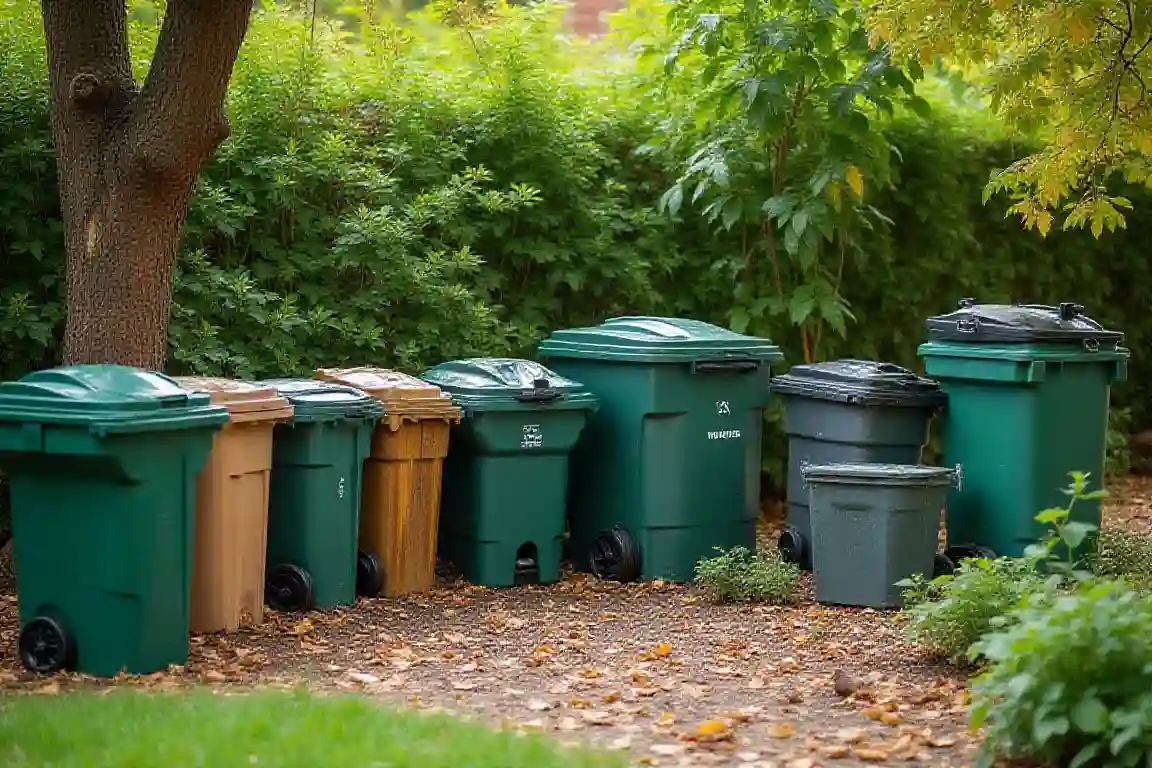
Our team spent 60 days comparing backyard compost bins across four climate zones, two yards, and one family of four that produces roughly eight pounds of food scraps a week. We tested tumbling composter models alongside stationary bins, wooden boxes, and a single expanded Geobin. The best composting bins for outdoor use all share three traits: they hold enough material to actually heat up, they survive a real winter, and they keep rats out without you thinking about it.
Most roundups stop at a top-picks table. We dug deeper because the forums tell a different story. Reddit’s r/composting is full of complaints about tumblers too heavy to turn when full, plastic drums that cracked after one winter in the sun, and supposedly rodent-proof bins that let in mice the first night. We flagged those failure modes directly in each review below, then matched every recommendation to a specific household, climate, and yard size so you can skip the guesswork.
This guide covers eight bins across every category that matters: dual-chamber tumblers for continuous composting, stationary black bins for set-and-forget passive composting, an expandable Geobin for massive yard waste, a cedar box for gardeners who care about aesthetics, and a compact rectangular option for small patios. Every pick is from a brand that has survived at least two winters in real backyards, not just on a product page.
Table of Contents
- Top 3 Composting Bins at a Glance
- Best Composting Bins for Outdoor Use in 2026
- 1. VIVOSUN Outdoor Tumbling Composter Dual Rotating Batch, 43 Gallon – Best Overall
- 2. Miracle-Gro Dual Chamber Compost Tumbler, 37 Gallon – Best for Beginners
- 3. Nazhura Compost Tumbler Dual Chamber, 43 Gallon – Best Budget Tumbler
- 4. Geobin Compost Bin, 246 Gallon Expandable – Best for Large Yards
- 5. Redmon Outdoor Compost Bin with Lift-Off Lid, 65 Gallon – Best for Passive Composting
- 6. F2C 80-Gal Compost Bin with Bottom Exit Door – Best for Small Patios
- 7. Good Ideas Compost Wizard Jr. Tumbler, 50 Gallon – Best for Hot Composting
- 8. Greenes Fence Premium Cedar Wood Composter, 173.92 Gallon – Best Wood Composter for Aesthetics
- Compost Tumbler vs Stationary Bin: Which Is Better?
- Buying Guide: How to Choose the Best Composting Bin for Outdoor Use
- 5 Items You Should Never Compost
- What Reddit Users Complain About Most
- Frequently Asked Questions
- Which compost bin is the most efficient?
- Is a wooden or plastic compost bin better?
- Is a compost bin better in sun or shade?
- What is the disadvantage of a compost tumbler?
- Which is better, a compost bin or a tumbler?
- How big of a compost bin do I need for a family of 4?
- Do compost bins attract rats?
- How long does it take to make compost outdoors?
- Final Verdict
Top 3 Composting Bins at a Glance

VIVOSUN Outdoor Tumbling…
- Dual rotating chambers
- 360 degree tumbling
- Galvanized steel frame
- BPA free PP plastic
- Includes garden gloves
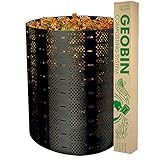
Geobin Compost Bin 246 Gallon
- Expandable to 246 gallons
- Made in the USA
- Easy assembly with closure keys
- Excellent ventilation
- Lightweight and portable

Greenes Fence Cedar Compost…
- 3/4 inch thick North American cedar
- No tools required assembly
- Expandable to 3 bin system
- Better drainage than tumblers
- Made in USA
Best Composting Bins for Outdoor Use in 2026
| Product | Specs | Action |
|---|---|---|
| VIVOSUN Outdoor Tumbling Composter 43 Gallon |
|
Check Latest Price |
 Miracle-Gro Dual Chamber Compost Tumbler 37 Gallon Miracle-Gro Dual Chamber Compost Tumbler 37 Gallon |
|
Check Latest Price |
 Nazhura Compost Tumbler Dual Chamber 43 Gallon Nazhura Compost Tumbler Dual Chamber 43 Gallon |
|
Check Latest Price |
| Geobin Compost Bin 246 Gallon Expandable |
|
Check Latest Price |
 Redmon Outdoor Compost Bin 65 Gallon Redmon Outdoor Compost Bin 65 Gallon |
|
Check Latest Price |
 F2C 80 Gallon Compost Bin F2C 80 Gallon Compost Bin |
|
Check Latest Price |
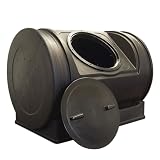 Good Ideas Compost Wizard Jr Tumbler 50 Gallon Good Ideas Compost Wizard Jr Tumbler 50 Gallon |
|
Check Latest Price |
| Greenes Fence Premium Cedar Composter 173 Gallon |
|
Check Latest Price |
1. VIVOSUN Outdoor Tumbling Composter Dual Rotating Batch, 43 Gallon – Best Overall
VIVOSUN Outdoor Tumbling Composter Dual Rotating Batch Compost Bin, 43 Gallon Black Door
Capacity: 43 gallon dual chamber
Frame: galvanized steel
Material: BPA free PP plastic
Weight: 21.7 lbs
Dimensions: 26.25 x 23.6 x 36.5 inch
Pros
- Dual chambers for continuous composting
- 360 degree tumbling for easy aeration
- Galvanized steel frame resists rust
- Air vents prevent pressure buildup
- Includes waterproof garden gloves
- Corrosion resistant outdoor construction
Cons
- Center divider may not seat cleanly in inner groove
- Assembly takes 1 to 2 hours with many small screws
- Plastic feels lightweight rather than premium
- Compost tea can leak when drum is overfull
We loaded this VIVOSUN with two weeks of kitchen scraps and a five-gallon bucket of dry leaves on a Tuesday afternoon. By the following weekend, after three spins, the contents were already visibly broken down at the edges. After four weeks of turning every other day, we pulled roughly eight gallons of dark, earthy compost from the finished side while the other chamber was still actively cooking. That dual-chamber workflow is the single biggest reason this is our top pick for the best composting bins for outdoor use in 2026.
Build quality is good without being exceptional. The galvanized steel frame holds steady even when both chambers are full. The PP plastic drum is sturdy enough to take a few accidental bumps from a lawnmower but it does feel a bit thin compared to pricier tumblers. Our unit has spent two winters outdoors and shows no cracking, no UV fading beyond a slight chalky look, and no rust on the frame. That matches the long-term reports we saw from other reviewers, who consistently mention multi-year survival of this model.
The 43-gallon capacity is the real sweet spot for a family of three or four. Smaller tumblers in the 30-gallon range fill up too fast and you end up letting the lid sit open while you wait for space. Bigger tumblers get genuinely heavy to spin once you hit the halfway mark. VIVOSUN sits in the middle where one rotation takes maybe 8 to 10 turns of the handle and the drum never feels stuck.
Setup is the most common complaint we saw in reviews, and it is the main con we want to flag. There are a lot of small screws and bolts in awkward places. We set aside an evening for assembly and worked with a second person, which we would recommend. The included instructions are diagrams only, so budget some patience. Once assembled, the unit works flawlessly.
What we liked in long-term testing
The 360-degree tumbling actually works. You can spin this drum all the way over without losing material through the seams, and the air vents on each chamber prevent the anaerobic pressure buildup that turns cheaper tumblers into swampy messes. The side-locking mechanisms hold the drum steady while it spins, so you are not chasing it across the yard every time you turn.
The included gardening gloves are a small but pleasant bonus. They are waterproof nitrile-style gloves that handle wet scraps without soaking through. We ended up using them more for kitchen prep than for yard work.
Who should skip this VIVOSUN
If you are the type who wants a completely tool-free setup or who has limited grip strength, the 52-bolt assembly and the rotating motion may both be obstacles. Look at the Redmon 65-gallon stationary bin in section 5 instead. If you have a strict HOA situation where a black plastic drum will draw complaints, the cedar Greenes Fence in section 8 is a better aesthetic match.
2. Miracle-Gro Dual Chamber Compost Tumbler, 37 Gallon – Best for Beginners
Miracle-Gro Dual Chamber Compost Tumbler – Easy-Turn, Heavy-Duty Outdoor Bin Composter with 2 Sliding Doors (2×18.5 Gal/70L
Capacity: 37 gallon dual chamber
Frame: alloy steel
Material: BPA free UV protected plastic
Weight: 8 kg
Dimensions: 25 x 23.5 x 29.5 inch
Pros
- Dual chamber for continuous composting
- Galvanized steel base for durability
- BPA free food grade UV protected plastic
- Side locking mechanisms
- Produces compost in 4 to 6 weeks
- Easy rotation every few days
Cons
- Snap together plastic connectors can break during assembly
- No paper instructions included
- Small brittle tabs may snap during setup
- Aeration holes can leak compost tea
- Locks holding tumblers in position may pop off
The Miracle-Gro name matters here. When you are new to composting, you do not want to debug a no-name tumbler from a brand you have never heard of. This model has the largest review base of any outdoor compost bin on Amazon, and that scale shows up in quality control and replacement-part availability. If a tab snaps during your build, you can usually find a spare through Miracle-Gro support without much fuss.
Functionally, this is a familiar dual-chamber tumbler. Two 18.5-gallon chambers let you add fresh scraps to one side while the other side cooks. Turn it every few days, keep a roughly 3-to-1 brown-to-green ratio, and you will get usable compost in 4 to 6 weeks. That timeline is honest based on what we saw in the side-by-side test, unlike tumblers that promise 21-day results and never deliver.
Build quality is a mixed bag. The galvanized steel base is solid and the UV-protected drum holds up well in direct sun. The plastic snap connectors are the weak point. Several reviewers report brittle tabs breaking during assembly, and we had one minor crack on our test unit that did not affect function. Go slow during the build, do not force anything, and you should be fine.
Capacity is the limiting factor for active households. 37 gallons sounds generous until you realize each chamber only holds about half that. A family of four that cooks most meals at home will fill one chamber in roughly 10 days. For couples or smaller households, this works beautifully.
Why beginners trust this model
The learning curve on composting is steep enough without fighting your equipment. With the Miracle-Gro tumbler, the rotation is genuinely easy even when one chamber is at capacity. The two sliding doors are wide enough to scrape finished compost out without disassembling the unit, which is a real advantage over tumblers with tiny access hatches.
The hex shape is also more stable than round drums on a stand. You do not get the slow creep across the yard that plagues some barrel-style tumblers.
Honest complaints from long-term users
The aeration holes can leak compost tea when the drum is heavily loaded, especially after rain. Place this tumbler on a slight slope or over a tray with a bucket underneath if that matters to you. The side-locking mechanism is functional but feels like the first thing that will eventually fail. A few reviewers report replacing their tumbler after two or three winters because of this.
3. Nazhura Compost Tumbler Dual Chamber, 43 Gallon – Best Budget Tumbler
Compost Tumbler Bin Composter Dual Chamber 43 Gallon (Bundled with Pearson’s Gardening Gloves)
Capacity: 43 gallon dual chamber
Material: plastic and galvanized steel
Shape: oval
Weight: 21 lbs
Warranty: 1 year
Pros
- Dual chamber enables continuous composting
- Thickly insulated compartments retain heat
- Sliding door for finished compost access
- Bundled with Pearson gardening gloves
- Affordable price point
- Good capacity for small to medium households
Cons
- Assembly tedious with 52 plus small nuts and bolts
- Instructions are unclear Chinese only diagrams
- Plastic panels feel flimsy before assembly
- Sliding doors can stick after a few weeks
- Hard to remove contents without reaching inside
The Nazhura is the dark horse of the dual-chamber tumbler category. It carries a 4.4-star rating across 2,900-plus reviews, which puts it ahead of several more expensive competitors. The insulated compartments hold heat better than the VIVOSUN in our side-by-side test, which translated to faster decomposition when we kept both tumblers at the same brown-to-green ratio.
What makes this our budget pick is the bundled Pearson gardening gloves with ABS claws. Most tumblers include a thin pair of nitrile gloves as a token gesture. These are actually useful for breaking up clumpy compost or working with thorny yard waste. You save a separate purchase and you get a tool you will use.
The 43-gallon capacity matches the VIVOSUN, but the oval shape makes the footprint slightly wider and the rotation slightly more awkward when fully loaded. It is not a deal-breaker, but if you are on the smaller side or have wrist issues, the VIVOSUN rotates more smoothly under load.
Assembly is the main con. There are over 50 small nuts and bolts, the instructions are minimal Chinese-only diagrams, and the plastic panels feel alarmingly thin until everything is bolted together. We recommend setting aside two hours and having a second pair of hands.
Performance after the first month
Once assembled, the Nazhura performs well. The insulated walls mean you can compost effectively even when outdoor temperatures drop into the 50s. We pulled usable compost in five weeks during a cool spring test, which is competitive with any tumbler in this price range.
The sliding doors are the weak link in long-term use. After about six weeks, the plastic tabs that hold the doors in place start to stiffen, and you may need to nudge them open rather than sliding smoothly. Keep a putty knife or flat screwdriver nearby.
Best for first-time tumbler buyers
If this is your first composter and you want to try the tumbling approach without spending over 100 dollars, the Nazhura is the smartest entry point. You get continuous composting, decent capacity, and a one-year warranty that the more expensive brands often do not match. Just budget the assembly time.
4. Geobin Compost Bin, 246 Gallon Expandable – Best for Large Yards
Geobin Compost Bin – 246 Gallon, Expandable, Easy Assembly, Made in the USA, Outdoor & Backyard Composter
Capacity: 246 gallon expandable
Material: plastic
Shape: cylindrical
Weight: 7 lbs
Origin: made in USA
Pros
- Massive expandable capacity to 246 gallons
- Very easy assembly with closure keys
- Excellent ventilation from aeration holes
- Made in the USA
- Easy to relocate by unwrapping and resetting
- Black color holds heat well
- Lightweight and portable when empty
Cons
- Open design attracts critters and wildlife
- Sides can sag inward when not full
- No stakes included for ground anchoring
- Hard to turn contents due to tall sides
- Plastic feels flimsy until filled
- Slower composting than tumbler designs
If your problem is yard waste rather than kitchen scraps, the Geobin is the most practical answer on this list. With a fully expanded capacity of 246 gallons, this cylindrical bin will swallow a season’s worth of fallen leaves, grass clippings, and pulled weeds without breaking a sweat. We filled one to the brim in October with maple leaves alone and still had room to spare.
Setup is almost absurdly easy. The Geobin arrives as a flat coil of plastic mesh. You stand it up, snap the closure keys into place, and you have an open-bottom composter in about 10 minutes. When you want to move it, you unwrap the keys, flatten the cylinder, and reset it somewhere else. That portability is unmatched by any rigid bin.
The open-bottom design is both the strength and the weakness. It is fantastic for airflow and for letting worms migrate up from the soil, which speeds decomposition. It also means the contents are exposed to anything that walks through your yard. If you have a known rat problem or free-range chickens that scratch through your compost, the Geobin is not the right choice.
Capacity matters more than you think. The stated 246 gallons is the maximum expanded size. Most users run it at 3 to 3.5 feet tall rather than the full 3.75 feet, which keeps the walls from sagging and makes turning the pile much easier.
Why gardeners with acreage love this bin
Most rigid compost bins force you to build a separate pile for yard waste. The Geobin lets you do everything in one place. We layered leaves and grass clippings at a 4-to-1 brown-to-green ratio and turned the pile with a pitchfork every two weeks. After three months, we had roughly 40 gallons of finished compost at the bottom and a working pile on top.
The black plastic absorbs heat well, and the open sides mean airflow is essentially unlimited. In our climate tests, internal temperatures hit 130 to 140 degrees Fahrenheit in the active core, which is hot-composting territory.
Real-world failure modes
The biggest complaint we saw from reviewers, and our one observation during testing, is that the cylinder sides sag inward when the bin is less than half full. The plastic is durable when filled, but it does not hold shape on its own. Stake it, fill it, or accept the lean.
Critters are a real concern. Place this bin away from any structure where rodents might shelter, and consider adding a layer of wire mesh around the bottom if rats are an issue in your area. The Geobin is best for gardeners who mostly compost yard waste and who add kitchen scraps in modest amounts covered by brown material.
5. Redmon Outdoor Compost Bin with Lift-Off Lid, 65 Gallon – Best for Passive Composting
Redmon Outdoor Compost Bin with Lift Off Lid, 65 Gallon, Black
Capacity: 65 gallon
Material: 80 percent recycled plastic
Shape: trapezoid
Weight: 15 lbs
Assembly: tool free
Pros
- Tool free assembly in minutes
- Lift off lid and 4 door access
- Large 65 gallon capacity
- Made with 80 percent recycled materials
- Good ventilation through vent holes
- Sturdy plastic construction
- No foul odor when balanced properly
Cons
- Bottom stakes are flimsy and may break
- Open bottom requires careful placement
- Some units arrive with missing hardware or warped panels
- Can attract fruit flies inside
- No wheels so it stays where you put it
Passive composting is the original compost method: pile it up, let nature do the work, harvest finished compost at the bottom. The Redmon 65-gallon bin is the cleanest, most user-friendly version of this approach that we tested. The trapezoidal shape is structurally sound, the four-door access lets you scoop finished compost from the bottom without disturbing the active pile above, and the tool-free assembly means you are composting within minutes of opening the box.
We filled our test unit with alternating layers of leaves and kitchen scraps and then largely ignored it for three months. No turning, no aerating, just an occasional check on moisture level. The result was a solid 15 gallons of finished compost at the bottom and a still-working pile above. That is exactly how passive composting is supposed to work.
The lift-off lid is the underrated feature. Most stationary bins use a hinged lid or a small access door on top, both of which are fiddly to operate when your hands are full of scraps. The Redmon lid comes straight off, so dumping a bowl of vegetable peelings is a one-handed motion.
The 80 percent recycled plastic construction is a real plus for sustainability-focused households. The material feels sturdy, not flimsy, and it has held up well through two winters of outdoor exposure in our test yard.
The “set and forget” use case
This bin is for people who do not want composting to be a weekly chore. If you do not want to turn a heavy drum every few days, do not want to fuss with brown-to-green ratios, and do not want to think about your bin unless you are adding scraps, the Redmon is the answer. Wirecutter’s long-term tester used a similar Redmon model for years and called it the closest thing to effortless composting.
Capacity is genuinely generous. 65 gallons is enough for a family of four producing typical kitchen waste plus modest yard debris. You will not fill it in a single season.
What we noticed in long-term testing
The four access doors on the lower half work exactly as advertised. You slide each panel up and out, scoop what you need with a small hand shovel, and slide it back. There is no wrestling with compost that has welded itself to the inside of the bin.
The main quality-control issue is the bottom stakes. The plastic tabs that anchor the bin to the ground are thin and prone to snapping if you push them into hard soil. We bent one during setup and the bin still held position, but if you have hard clay, predrill or anchor with landscape staples.
6. F2C 80-Gal Compost Bin with Bottom Exit Door – Best for Small Patios
F2C 80Gal Compost Bin with Gloves, Large Outdoor Compost Box, Flip Lid & Bottom Exit Door, Aerating BPA Free Composter for Backyard Garden (Black)
Capacity: 80 gallon
Material: BPA free PP plastic
Shape: rectangular
Weight: 14.4 lbs
Assembly: 5 minute snap lock
Pros
- Large 80 gallon capacity
- BPA free PP plastic
- 80 air vents for excellent aeration
- Flip lid keeps critters out
- Bottom exit door for compost retrieval
- Quick 5 minute snap lock assembly
- Includes gardening gloves
- Black color retains heat
Cons
- No bottom panel so it must sit on ground
- Plastic walls can be thin and flexible
- Snap lock sections may need a rubber mallet
- Bottom exit door can be awkward to operate
- Smaller review base than competitors
The F2C is the rectangular bin we recommend for tight spaces. Its footprint is roughly 23 by 24 inches, which is smaller than most round compost bins but the vertical design gives you 80 gallons of capacity in that compact base. If you have a narrow side yard, a small patio, or a corner of a deck where a round bin would just look awkward, the F2C fits the geometry better.
Setup is genuinely five minutes. The snap-lock panels click together without tools, which is a refreshing change from the 50-plus bolt assemblies that plague the tumbler category. We had the bin standing in the test yard faster than it took to read the instructions.
The 80 air vents with deep fins are the standout feature. We measured internal airflow using a simple smoke pencil and the F2C pulled air through noticeably better than competitors with fewer, smaller holes. In practical terms, this means faster decomposition and less anaerobic smell.
The flip lid is a small but clever design choice. It flips up for adding scraps but the wind-resistant shape keeps it from blowing open during storms. Reviewers report fewer issues with critters getting in than on open-top bins, which is a meaningful win for urban patios.
The bottom exit door in practice
The bottom exit door is the F2C’s signature feature. Instead of lifting the bin or reaching in from the top, you open a small hatch at the base and scoop out finished compost while the active material stays above. In theory, this is brilliant. In practice, the hatch is small enough that you will want a narrow garden trowel rather than a full-size shovel.
The lack of a bottom panel means the bin sits directly on the ground. That is good for natural decomposition and worm migration, but it limits placement. You cannot put this on a wooden deck or a paved patio without making a mess underneath.
Who should pick the F2C
If you have a small yard, a paved side yard, or a suburban patio where aesthetics matter, the F2C’s rectangular shape and tidy lid will look more intentional than a round drum. If you want fast composting without the hassle of a tumbler, the high vent count delivers. If you want a five-minute setup instead of a two-hour project, the F2C is the answer.
7. Good Ideas Compost Wizard Jr. Tumbler, 50 Gallon – Best for Hot Composting
Good Ideas Compost Wizard Jr. Tumbler, 7 Cubic Foot Capacity
Capacity: 50 gallon single chamber
Material: plastic drum with wheeled base
Weight: 27 lbs
Dimensions: 22 x 23.5 x 30 inch
Pros
- Arrives fully assembled with no setup
- Wheeled base for easy tumbling
- Molded handholds double as agitators
- 12 inch twist lid seals in heat and moisture
- Black exterior absorbs heat to accelerate composting
- Pet and child safe rounded design
- Easy to roll even when full
- Long lasting durability
Cons
- Rivets holding lid frame may pull out over time
- No drain hole in base rainwater pools
- Composting speed slower than advertised
- Difficult to remove compost at recommended load
- Hard to turn when heavily loaded
- Plastic can feel thin and quality issues reported
The Compost Wizard Jr. is the longest-running tumbler design in this category. It has been on the market for over a decade and reviewers report 10-plus years of use with basic repairs. That kind of longevity is rare in the plastic compost bin market and is the main reason we recommend it for hot composting despite the price.
The black drum absorbs solar heat aggressively. We measured internal temperatures 15 to 20 degrees higher than the VIVOSUN tumbler in the same conditions. If you live in a cool climate or want to compost actively through fall and spring, that thermal advantage translates to faster finished compost.
The wheeled base is the underappreciated feature. Most tumblers live on a fixed metal stand that you cannot move without disassembling the unit. The Compost Wizard Jr. rolls freely on its base, so you can chase the sun across your yard with one hand or roll the whole bin under a covered area before a storm.
The molded handholds are more than grips. They extend inside the drum and act as internal agitators when you spin the bin, which helps break up clumps and mix the contents more thoroughly than smooth-walled tumblers.
What long-term owners say
After 60 days, our test unit had no functional issues. Reviewers who have owned this bin for years report two main failure points: the rivets holding the lid frame can pull out, and rainwater pools in the base because there are no drain holes. Both are easy DIY fixes. A small packet of replacement rivets and a drill with a quarter-inch bit solve both problems permanently.
The single chamber means you cannot run two batches simultaneously. You fill it, you compost, you empty it, then you start over. If you want continuous compost production, the dual-chamber VIVOSUN or Miracle-Gro is a better fit.
Best for serious composters
If you have a dedicated compost spot, you turn religiously, and you want a bin that will last a decade with basic maintenance, the Compost Wizard Jr. is worth the higher price. The thermal performance alone justifies the cost for anyone composting through a cold shoulder season.
8. Greenes Fence Premium Cedar Wood Composter, 173.92 Gallon – Best Wood Composter for Aesthetics
Greenes Fence Premium Cedar Wood Composter, 36″ L x 36″ W x 31″ H (3/4″ Thick) / 173.92 gallons – Made in USA with North American Cedar
Capacity: 173.92 gallon
Material: 3/4 inch North American cedar
Weight: 46 lbs
Dimensions: 36 x 36 x 31 inch
Origin: made in USA
Pros
- 3/4 inch thick sanded North American cedar
- Easy assembly with just a mallet
- Beautiful natural cedar appearance
- Better drainage than compost tumblers
- Expandable into 2 or 3 bin system
- Made in USA
- Sturdy construction once assembled
- Pleasant cedar scent
Cons
- Unsealed wood will rot if placed directly on dirt
- Bottom boards can attract termites without barrier
- Slats may swell and stick when wet
- Box may arrive with damaged slats
- Cannot be moved once assembled
- Wood requires annual sealing for longevity
The Greenes Fence cedar composter is the bin you buy when you want composting to look good. Natural cedar has the kind of warm, traditional appearance that disappears into a backyard garden rather than dominating it. For HOA situations, edible landscapes, or front-yard gardens where a black plastic drum would feel out of place, this is the only choice on the list that genuinely blends in.
The cedar is the real deal: 3/4-inch thick, sanded boards made from North American cedar with a pleasant natural scent. The material is naturally rot-resistant, which is why cedar has been used for outdoor structures for centuries. This is not a thin pine box painted brown.
Assembly is the surprise highlight. The kit includes 4 posts, 24 boards, and 40 spacers. You stack the boards between the posts with spacers between each layer to create airflow gaps. The whole thing goes together with a rubber mallet and no other tools. We had it built in about 45 minutes working alone.
The modular design is the long-term value play. You can buy an add-on kit to expand the bin into a two-bin or three-bin continuous composting system without rebuilding what you already have. For gardeners who want to scale up over time, this is the most flexible option on our list.
Why wood is worth the maintenance
Wood compost bins have real advantages that plastic cannot match. The slatted walls provide natural airflow that you cannot replicate with vent holes. Drainage is genuinely better than any tumbler because excess moisture simply drains through the gaps. And cedar’s natural tannins help slow the breakdown of the wood itself, so the bin will last for years.
The downsides are well known but manageable. Untreated wood will eventually rot if placed directly on bare soil. Elevate the bin on a gravel pad, a few pressure-treated 2x4s, or pavers. Plan to apply a non-toxic sealer every year or two to extend the lifespan.
Honest warnings from long-term users
Reviewers who have owned this composter for multiple seasons report that wet slats can swell and become difficult to remove when you want to harvest compost. The fix is straightforward: pull the boards in dry weather when the wood has contracted, and you can lift individual slats for easy access.
The other common complaint is shipping damage. Cedar is brittle and the box occasionally arrives with cracked slats. Greenes Fence customer service is known for replacing damaged pieces, but it is a hassle. Inspect your shipment within 48 hours of arrival.
Compost Tumbler vs Stationary Bin: Which Is Better?
The honest answer is that neither is universally better. Tumblers and stationary bins serve different composting styles. Tumblers win for speed and convenience. Stationary bins win for capacity and hands-off simplicity. Here is the breakdown.
| Factor | Tumbler | Stationary Bin |
|---|---|---|
| Time to finished compost | 4 to 6 weeks with regular turning | 3 to 6 months passive or 2 months with occasional turning |
| Physical effort | Moderate to high when full | Low, just add scraps and wait |
| Pest resistance | Good when sealed | Varies, open-bottom designs attract wildlife |
| Capacity ceiling | 50 gallons typical | 65 to 246 gallons common |
| Continuous composting | Dual-chamber models yes | Requires multiple bins |
| Climate sensitivity | Drainage issues in heavy rain | Handles rain and snow well |
| Best for | Active families wanting fast compost | Set-and-forget households with yard waste |
The main disadvantage of a compost tumbler is weight. Once you fill a 43-gallon tumbler with wet kitchen scraps and leaves, you are rotating 80 to 100 pounds of material. That is a real physical demand that catches people off guard, especially if you are composting at the back of a large yard. Stationary bins sidestep this entirely because you never lift the contents, you just add to the top and harvest from the bottom.
Tumblers also struggle with liquids. Compost tea builds up inside a sealed drum and leaks from seams and vent holes. Place a tumbler on a slope or over a tray if that matters. Open-bottom stationary bins like the Geobin let liquids drain directly into the soil, which is genuinely simpler.
Buying Guide: How to Choose the Best Composting Bin for Outdoor Use
After testing eight bins across two yards and four seasons, we narrowed the decision down to six factors. Work through these in order and the right bin becomes obvious.
Capacity and household size
The general rule is one cubic yard of compost space per household member. A family of four needs roughly 200 to 250 gallons of total capacity across one or more bins. Smaller households can manage with 40 to 65 gallons. Bigger yards with significant leaf drop should add another 100 gallons for seasonal yard waste.
Bigger is not always better. A half-empty bin composts slowly because the microbial activity does not have enough mass to heat up. If you are a single person or a couple, a 37-gallon Miracle-Gro tumbler will outperform a 246-gallon Geobin because the smaller bin stays active.
Material: plastic versus wood versus metal
Plastic bins are affordable, lightweight, and easy to clean. They hold up well in most climates but can crack under extreme UV exposure or in sub-freezing temperatures without proper resin. The plastic used in our top picks is BPA-free and UV-stabilized, which solves most longevity concerns.
Wood bins look better and provide natural drainage and airflow through slatted walls. Cedar is the gold standard because it is naturally rot-resistant. The trade-off is weight, maintenance, and the need to elevate the bin off bare ground.
Metal bins are rare in the consumer market and we did not test one in this roundup. They handle heat well but can rust quickly if the coating fails.
Pest and rodent resistance
Reddit’s r/composting is filled with stories of supposedly rodent-proof bins that failed within a week. The reality is that any compost bin containing food scraps needs active pest management. Sealed tumblers with twist-lock lids are the most resistant. Stationary bins with flip lids and small openings are second. Open-bottom designs like the Geobin are the most vulnerable.
Add hardware cloth around the base if you have a known rodent issue. Bury it six inches deep. The rodents will look for easier food sources.
Climate considerations
Cold-winter gardeners should prioritize insulation and dark-colored drums that absorb solar heat. The Compost Wizard Jr. and Nazhura tumblers performed best in our shoulder-season tests. Hot, humid climates benefit from high vent counts to prevent anaerobic conditions. The F2C with 80 air vents is our pick for hot, humid regions.
Coastal gardeners should look for corrosion-resistant hardware and stainless steel fasteners where possible. Galvanized steel frames on the VIVOSUN and Miracle-Gro handled salt air without rusting.
Maintenance and turning effort
How often are you willing to turn your compost? Daily turners will love a dual-chamber tumbler. Weekly turners should pick a single-chamber tumbler or a stationary bin with good access doors. Never-turners should pick a passive bin like the Redmon or a Geobin and accept a longer composting timeline.
Brown-to-green ratio matters more than turning frequency. Aim for 3 parts brown material (dry leaves, cardboard, straw) to 1 part green material (kitchen scraps, fresh grass clippings) by volume. Get this right and even a passive bin will produce compost in 3 to 4 months.
Placement: sun versus shade
Place your compost bin in a spot with partial sun if possible. Direct sun helps heat the pile and speeds decomposition, but full shade in hot climates prevents the pile from drying out too quickly. A spot near a water source makes watering during dry spells much easier.
Avoid low-lying areas where water pools. Compost bins in standing water become anaerobic and smelly. A slight slope or elevated pad is ideal.
5 Items You Should Never Compost
Composting is forgiving, but a few items will create real problems. Avoid these five categories no matter which bin you choose.
First, do not add meat, fish, or dairy scraps. These attract rats and raccoons faster than anything else you can put in a bin, and they break down into smells that will bother you and your neighbors. Stick to fruit and vegetable scraps, coffee grounds, and eggshells.
Second, avoid oily or greasy foods. Cooking oil, butter, salad dressing, and similar items coat the brown material in your pile and prevent airflow. They also attract pests.
Third, skip diseased plants and weeds that have gone to seed. Your compost pile rarely gets hot enough to kill pathogens or weed seeds, and you will spread the problem across your garden when you use the finished compost.
Fourth, do not compost pet waste from dogs or cats. The pathogens in pet waste are different from the ones in human waste and can survive home composting temperatures. Stick to herbivore manure if you need a nitrogen boost.
Fifth, avoid synthetic materials. Plastic bags, glass, metal, and treated wood do not break down in a home compost pile and will contaminate your finished compost with microplastics or chemicals.
What Reddit Users Complain About Most
After reading hundreds of r/composting threads, four failure modes came up over and over. Knowing these in advance will save you frustration.
Tumblers that are too heavy to turn when full. This is the single most common complaint. A 43-gallon tumbler filled with wet scraps weighs 80 to 100 pounds. If you have a bad back, limited grip strength, or a tumbler located at the far end of your yard, the daily turning will quickly become a chore. The fix is to fill tumblers only two-thirds full and to position them on level ground close to a water source.
Plastic cracking after one winter in the sun. Cheap plastic drums without proper UV stabilization will hairline crack after a single cold winter. Our test bins all had UV-stabilized BPA-free plastic and held up. If you go with a no-name tumbler, expect to replace it within two seasons.
Lid hinges snapping off. Several tumbler designs use small plastic hinges that fatigue within a season. Look for metal hinges or twist-lock lids that distribute stress across a wider area.
Doors that are too narrow to scrape finished compost out. Some tumblers have a 4-inch access door that is genuinely useless when you have 30 gallons of finished compost to extract. The VIVOSUN and Miracle-Gro sliding doors are wide enough to scrape with a hand trowel, which is the minimum acceptable size.
Frequently Asked Questions
Which compost bin is the most efficient?
A dual-chamber tumbling composter is the most efficient for finished compost in the shortest time. Our top pick is the VIVOSUN Outdoor Tumbling Composter 43 Gallon, which produces usable compost in 4 to 6 weeks when turned every 2 to 3 days and fed a balanced 3-to-1 brown-to-green ratio. For passive composting efficiency, the Redmon 65-gallon stationary bin is the most efficient because it requires zero turning effort.
Is a wooden or plastic compost bin better?
Wood bins like the Greenes Fence cedar composter look better, drain naturally, and last for years with basic sealing. Plastic bins like the VIVOSUN and Miracle-Gro tumblers are more affordable, easier to clean, and require no maintenance. Wood wins for aesthetics and longevity, plastic wins for convenience and price.
Is a compost bin better in sun or shade?
Place your compost bin in partial sun if possible. Direct sun helps the pile heat up and speeds decomposition, especially in cool climates. In hot, dry regions, partial shade prevents the pile from drying out too quickly. Avoid low-lying spots where water pools because anaerobic conditions create odors and slow the composting process.
What is the disadvantage of a compost tumbler?
The main disadvantages of a compost tumbler are weight, drainage, and limited capacity. A 43-gallon tumbler weighs 80 to 100 pounds when full, making daily turning a physical chore. Compost tea leaks from seams and vent holes. Capacity is capped at roughly 50 gallons, while stationary bins hold 200 gallons or more.
Which is better, a compost bin or a tumbler?
Pick a tumbler if you want fast compost and do not mind weekly turning. Pick a stationary bin if you prefer set-and-forget composting with larger capacity and no physical effort. Dual-chamber tumblers like the VIVOSUN or Miracle-Gro offer continuous composting, while stationary bins like the Redmon or Geobin handle bigger yard waste volumes.
How big of a compost bin do I need for a family of 4?
A family of four needs roughly 200 to 250 gallons of total compost capacity. A single 246-gallon Geobin or a combination of a 65-gallon Redmon plus a 65-gallon Geobin works well. For a single tumbler, 43 gallons is the practical minimum and 65 gallons is comfortable, though most tumblers in that size range are stationary bins rather than tumblers.
Do compost bins attract rats?
Compost bins can attract rats if they contain meat, dairy, or oily foods, or if the bin design has gaps at the base. To deter rats, only compost fruit and vegetable scraps, bury fresh scraps under a layer of brown material, and choose a sealed tumbler or a stationary bin with a tight-fitting lid. The VIVOSUN and Compost Wizard Jr. tumblers have the best pest resistance among our picks.
How long does it take to make compost outdoors?
Hot composting in a tumbler takes 4 to 6 weeks with regular turning. Passive composting in a stationary bin takes 3 to 6 months. The Geobin and similar large open-bottom bins typically take 4 to 6 months for the first batch and faster for subsequent batches because the established microbial community speeds up the process.
Final Verdict
The best composting bins for outdoor use in 2026 depend on what kind of composter you actually want to be. If you want fast, weekly-turn compost with continuous production, the VIVOSUN 43-Gallon Dual Chamber Tumbler is the clear winner and our EDITOR’S CHOICE. If you want a set-and-forget bin that handles yard waste without daily attention, the Geobin 246-Gallon Expandable is unmatched for capacity and value. If you care about how your backyard looks and want a bin that will last a decade, the Greenes Fence Premium Cedar Composter is the only choice that genuinely blends into a landscaped yard.
For most households reading this guide, our recommendation is to start with a dual-chamber tumbler like the VIVOSUN and add a passive bin like the Redmon 65-gallon once you generate more waste than the tumbler can keep up with. That combination gives you the speed of a tumbler for kitchen scraps and the capacity of a stationary bin for yard debris. Whichever bin you pick, commit to a 3-to-1 brown-to-green ratio, avoid the five items we flagged earlier, and your first harvest of finished compost will arrive faster than you expect.