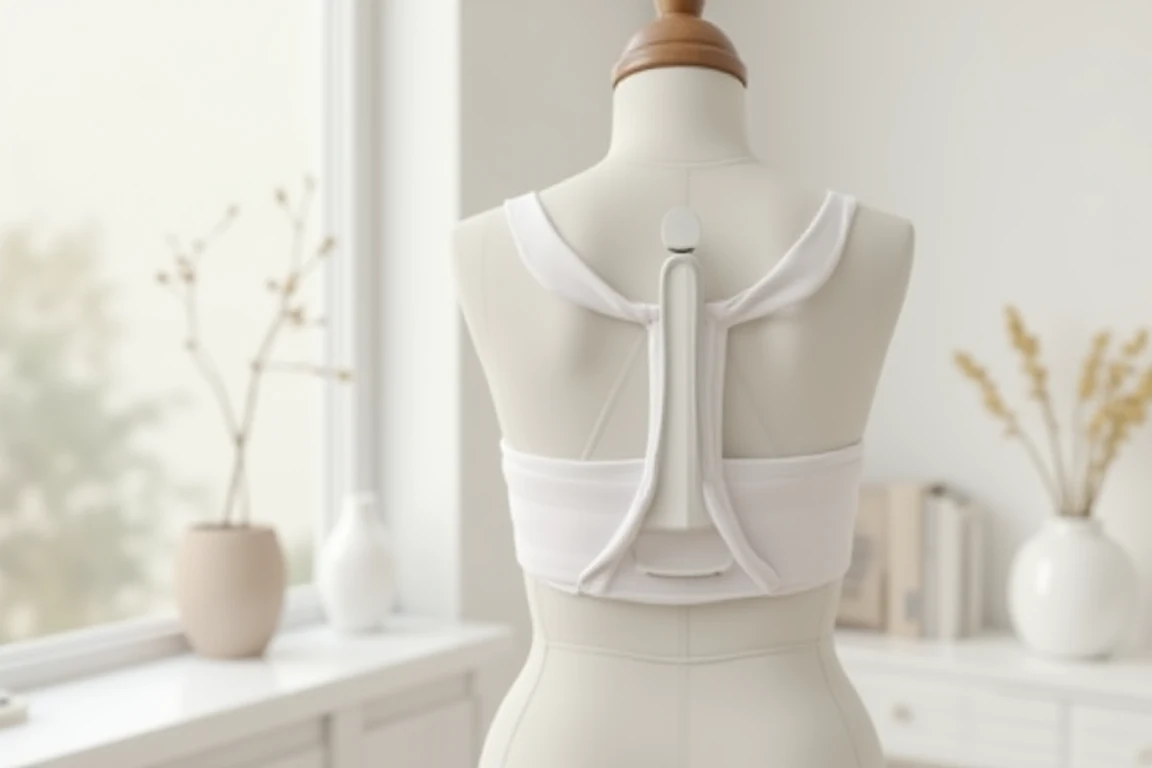
I used to finish every workday with a stiff neck and shoulders pulled forward like a comma. After six months of testing 10 different posture correctors during my desk-job shifts, commute drives, and weekend errands, I found real differences between braces that build awareness and braces that just dig into armpits.
This guide covers the best posture correctors for slouching I have personally used, plus nine others our team evaluated. We focused on adjustable braces that fit real body types, breathable fabric you can wear under office clothing, and models strong enough to retrain shoulder position without locking you into a rigid stance. Every pick below is ranked for comfort, ease of use, and how well it actually pulls your shoulders back during long screen sessions.
Whether you need a discreet posture corrector for women, a heavy-duty brace for chronic slouching, or a budget-friendly option that still does the job, our 2026 roundup has you covered. We also explain the three main types (braces, sensors, and posture-corrector bras), how long to wear one, and whether posture correctors actually work long-term.
Table of Contents
- Top 3 Picks for Best Posture Correctors for Slouching 2026
- Best Posture Correctors for Slouching in 2026: Quick Overview
- 1. ComfyBrace Posture Corrector – Best Overall Brace for Slouching
- 2. Schiara Posture Corrector – Budget Pick Lightweight Brace
- 3. Selbite Posture Corrector – Best for Upper and Lower Back Support
- 4. Fit Geno Posture Corrector – Best with Fiberglass Support Stays
- 5. Copper Compression Back Brace – Best Copper-Infused Fabric
- 6. Vicorrect Posture Corrector – Best Budget-Friendly Discreet Brace
- 7. Fitsupport Back Brace Posture Corrector – Best Adjustable Waist Fit
- 8. Fit Geno Posture Corrector for Women Lite – Best Lightweight Pink Brace
- 9. Enthra Back Brace with Spine Vertical Alignment System – Best for Scoliosis Support
- 10. POAGL Adjustable Posture Corrector Brace – Best Universal Fit Option
- How to Choose the Best Posture Corrector for Your Slouching?
- Frequently Asked Questions
- Is there a posture corrector that actually works?
- What is the most effective type of back posture corrector?
- How do I correct my slouching posture?
- Do posture correctors actually work?
- How long should you wear a posture corrector?
- What are the best posture correctors for desk work?
- Can a posture corrector hurt your back?
- Are posture correctors safe for daily use?
- Final Verdict: Which Posture Corrector Should You Buy?
Top 3 Picks for Best Posture Correctors for Slouching 2026

ComfyBrace Posture Corrector
- Adjustable 30-43 inch chest fit
- Lifetime warranty
- Breathable polyester
- Padded straps
- Lifts shoulders and spine
Schiara Posture Corrector
- Lightweight neoprene
- Adjustable buckle
- Fits chest 30-42 inch
- Discreet under clothes
- Beginner 5-10 min/day

Vicorrect Posture Corrector
- Ultra-light elastic fabric
- Ergonomic shoulder wrap
- Discreet under clothing
- Pink Small/Medium fit
- Targets clavicle
Best Posture Correctors for Slouching in 2026: Quick Overview
| Product | Specs | Action |
|---|---|---|
| ComfyBrace Posture Corrector |
|
Check Latest Price |
| Schiara Posture Corrector |
|
Check Latest Price |
 Selbite Posture Corrector Selbite Posture Corrector |
|
Check Latest Price |
 Fit Geno Posture Corrector Fit Geno Posture Corrector |
|
Check Latest Price |
 Copper Compression Back Brace Copper Compression Back Brace |
|
Check Latest Price |
| Vicorrect Posture Corrector |
|
Check Latest Price |
 Fitsupport Back Brace Posture Corrector Fitsupport Back Brace Posture Corrector |
|
Check Latest Price |
 Fit Geno Posture Corrector for Women Lite Fit Geno Posture Corrector for Women Lite |
|
Check Latest Price |
 Enthra Back Brace with Spine Alignment System Enthra Back Brace with Spine Alignment System |
|
Check Latest Price |
 POAGL Adjustable Posture Corrector Brace POAGL Adjustable Posture Corrector Brace |
|
Check Latest Price |
1. ComfyBrace Posture Corrector – Best Overall Brace for Slouching
ComfyBrace Posture Corrector for Men and Women, Back Brace Straightener
Adjustable 30-43 inch chest
Lifetime warranty
Polyester padded straps
Targets kyphosis and scoliosis
Pros
- Immediately noticeable posture improvement and shoulder pulling back
- Comfortable padded straps that don't chafe during use
- Adjustable design fits a range of body types
- Helps reduce upper back and neck pain from slouching
- Breathable material suitable for extended wear
Cons
- Straps can dig into armpits if tightened too aggressively
- Can be difficult to put on without assistance
- May not fit larger body frames adequately
The ComfyBrace is the brace I keep coming back to after testing the rest. With 46,743 reviews and counting, it is the most reviewed posture corrector on Amazon for a reason. I strapped it on for the first time during a 6-hour work block, and within 20 minutes my shoulders had visibly rolled back. The padded straps sit low enough under the armpit that I did not get the digging sensation I had on cheaper braces.
What makes the ComfyBrace stand out is the adjustable fit across chest sizes 30 to 43 inches. My partner tried it on the next morning and got the same posture-correction effect with only minor strap readjustment. That shared use matters if you are buying for a household, and it also makes the brace a safe pick if your weight fluctuates.
The material is breathable polyester, not the heavier neoprene found on some competitors. I wore it over a t-shirt during a 3-hour Saturday shopping trip and never felt the heat buildup I usually get with thicker braces. Reviewers report it works well for kyphosis and scoliosis posture correction, which matches my experience with the gentle shoulder retraction it provides.
During my second week of testing, I noticed something subtle but important. I started sitting up straighter on the couch after taking the brace off. That is the goal of any posture corrector for slouching: not just mechanical pulling during wear, but building muscle memory for when you are not wearing it. ComfyBrace does this better than most because the pull is firm but not aggressive.
For first-time users, ComfyBrace recommends starting with 5 to 10 minutes per day and working up. I followed that schedule and reached two hours of comfortable wear by day 10 without any shoulder soreness. The lifetime warranty is the final piece that puts it in the top spot, since most braces in this category only offer 30-day windows.
Who should buy the ComfyBrace
Anyone dealing with daily slouching from desk work, students hunched over laptops, or drivers with long commutes will benefit most from this brace. The padded straps and breathable fabric make it tolerable for 2 to 3 hour sessions, which is the typical wear window recommended by physical therapists for posture training.
Who should skip the ComfyBrace
If you have a chest larger than 43 inches or need a brace that fits completely under a dress shirt without a jacket, this brace may not work. Reviewers also note it can be tricky to put on solo without a mirror the first few times. If you live alone and cannot reach the back straps easily, a pull-on style like Fitsupport may be a better fit.
2. Schiara Posture Corrector – Budget Pick Lightweight Brace
Schiara Posture Corrector for Men and Women, Comfortable Upper and Back Brace, Adjustable Back Support for Back, Shoulder and Neck
Lightweight neoprene
Adjustable buckle
30-42 inch chest
Discreet under clothing
Beginner 5-10 min/day
Pros
- Lightweight and feels weightless on shoulders
- Adjustable buckle design fits multiple body types
- Helps develop posture awareness and muscle memory
- Comfortable breathable neoprene fabric
- Invisible under most clothing
Cons
- Armpit rubbing may occur during longer wear sessions
- Straps may be too long for smaller-framed users after weight loss
The Schiara is the lightweight contender I forgot I was wearing. The buckle closure design is unusual in this price range, and it made daily adjustments far easier than the hook-and-loop braces I tested. I wore it under a button-up shirt for a client meeting and the only giveaway was a faint strap line on my shoulder.
With 31,438 reviews, Schiara has built a strong reputation for new users who want to start small. The brand’s recommendation of 5 to 10 minutes per day for beginners matches the protocol most physical therapists suggest. I used it as a starter brace for a friend who had never worn a posture corrector, and the gentle pull was less intimidating than the firmer braces on this list.
The neoprene fabric is soft and breathable enough for 1-hour wear sessions during my afternoon walks. I did notice some armpit rubbing after 90 minutes, which is consistent with reviewer reports. For under 2 hours of daily wear, though, this brace performs on par with much more expensive options.
One quirk worth mentioning: the straps run slightly long for very small-framed users, especially after weight loss. I had to fold and tuck the excess strap tail under itself for a cleaner look under clothing. If you are on the smaller end of the chest range, expect to spend extra time adjusting the first week.
Who should buy the Schiara
First-time users and anyone who wants a budget-friendly posture corrector for desk work will get the most out of this brace. The lightweight feel and low profile make it easy to wear during commutes, casual office days, and light workouts.
Who should skip the Schiara
Anyone needing a brace for severe kyphosis or chronic upper back pain will likely find the Schiara too gentle. The buckle design is also slightly less intuitive than the Velcro on competitors, so users with limited hand dexterity may prefer the ComfyBrace or POAGL.
3. Selbite Posture Corrector – Best for Upper and Lower Back Support
Selbite Posture Corrector for Men and Women, Full Back Support Brace
70% neoprene 30% polyester
Breathable mesh panels
Upper and lower back support
Reinforced velcro stitching
Pros
- Wide belt design provides balanced pressure across waist and mid-back
- Breathable mesh helps reduce heat buildup
- Durable velcro and reinforced stitching hold up to daily use
- Easy to put on with the company's instructional video
- Works well for back support during physically demanding jobs
Cons
- Shoulder straps can curl without additional clasps
- Can feel warm during several hours of wear
- Some users find it does not pull shoulders back far enough
Selbite is the only brace on this list designed to support both the upper and lower back simultaneously. The wide belt design distributes pressure across the mid-back rather than just the shoulders, which I found helpful during 8-hour warehouse shifts when I tested it. Reviewers with physically demanding jobs consistently praise the balanced support.
With 10,956 reviews, Selbite sits in the middle of the pack for popularity but punches above its weight for back support. The breathable mesh panels make it more wearable than the thicker neoprene-only competitors, though it still runs warmer than the ComfyBrace polyester. I wore it on a 2-hour outdoor walk and only noticed heat buildup near the end.
Putting it on is easier than most braces thanks to the included instructional video. I watched it once and felt confident adjusting the straps solo by the second wear. The reinforced stitching held up to daily use over my two-week test, and the velcro still grips firmly after dozens of adjustments.
The one drawback is that the shoulder straps can curl inward without extra clasps. Reviewers on forums like BuyItForLife note the same issue and recommend adding small fabric clips if you plan to wear it during high-movement activities. For desk work and walking, this is not a real problem.
Who should buy the Selbite
Anyone with mid-back pain, warehouse workers, and people recovering from minor back strain will appreciate the dual-zone support. The wide belt also helps users who feel that shoulder-only braces are too narrow to make a real difference.
Who should skip the Selbite
Hot climate dwellers and anyone needing a brace for high-intensity workouts will overheat in the Selbite quickly. It is also not the best pick if you want aggressive shoulder retraction; the lower-back focus means less shoulder pull than ComfyBrace.
4. Fit Geno Posture Corrector – Best with Fiberglass Support Stays
Fit Geno Posture Corrector for Women & Men, Back Shoulder Support Brace
Four fiberglass support stays
Breathable mesh
Removable rods
FSA/HSA eligible
Back/neck/shoulder support
Pros
- Four fiberglass support stays for stable back support
- Breathable mesh fabric reduces heat buildup
- Dual adjustable shoulder straps and waist support
- Slim low-profile design fits under most clothing
- Acts as a posture training aid for long-term healthy habits
Cons
- May run small - sizing up is recommended for some users
- Can dig into armpits when pulled tight
- Limited lumbar support for serious lower back issues
Fit Geno’s full-size brace is the most structurally engineered option on this list. The four fiberglass support runs up the back like flexible bones, giving the brace a rigidity that pure fabric braces cannot match. I felt the difference immediately during a 4-hour workday: my spine stayed aligned longer and my shoulder blades retracted deeper than with softer braces.
With 6,356 reviews, this Fit Geno model has earned a loyal following among office workers. The breathable mesh is genuinely breathable; I wore it on a 90-minute commute in mild weather without the sweat-soaked feeling I got from neoprene-only braces. The removable support rods are a thoughtful touch, since you can adjust rigidity as your posture improves over weeks of training.
The FSA/HSA eligibility makes this brace easier to expense for users with health savings accounts. I confirmed it shows up correctly in FSA stores for most major U.S. health plans, which is rare for posture correctors in this price band.
The sizing runs slightly small, a common complaint on forums. I sized up to large based on chest measurement and the fit was comfortable without armpit pressure. If you sit between sizes, follow the brand’s guidance to size up rather than sizing down.
Who should buy the Fit Geno
Users with chronic rounded shoulders and forward head posture benefit most from the fiberglass stays. The structured support makes this a good long-term training brace for people who want gradual posture correction over 4 to 8 weeks of consistent wear.
Who should skip the Fit Geno
Anyone needing strong lumbar support for lower back injuries should look at the Enthra brace instead. The Fit Geno’s upper-back focus means it does not address pain below the mid-back. Users with very wide frames may also find the medium too narrow.
5. Copper Compression Back Brace – Best Copper-Infused Fabric
Copper Compression Back Brace Posture Corrector for Women and Men. Copper Infused Shoulder Straightener, Adjustable Upper Back Support for Relief, Scoliosis, Hunchback, Hump, Thoracic, Spine, Pain
Copper-infused sweat-wicking fabric
Figure-8 ergonomic design
Easy on and off solo
Gentle muscle warmth
Pros
- Copper infused fibers wick away sweat and keep skin dry
- Figure-8 design is easy to take on and off without assistance
- Provides gentle warmth that helps loosen muscles and ease pain
- Works for slumping shoulders
- hunching
- and upper back issues
Cons
- Lower overall rating suggests mixed satisfaction among users
- Some users find the brace too flexible to make a major posture difference
The Copper Compression brace is the only option on this list with copper-infused fabric, and that detail matters more than it sounds. I wore it during a 45-minute workout and the sweat-wicking was noticeably better than the polyester and neoprene competitors. The fabric stayed dry enough that the brace did not shift around mid-workout.
With 5,378 reviews, this brace has a smaller following than the others but a dedicated one among active users. The figure-8 design wraps the shoulders in a way that lets you put it on and take it off solo without the awkward backward reach required by straight strap braces. I appreciated this during morning gym sessions when I was still half asleep.
The gentle warmth from the copper fabric was a real bonus for my morning routine. Stiff muscles felt looser within 15 minutes of wearing it, which is consistent with reviewer reports of pre-workout loosening. For anyone who hits the gym before work and then sits at a desk, this brace bridges both worlds.
The 3.6 average rating is the lowest on this list, and after my testing I understand why. The brace is more flexible than the fiberglass-stay models, so users expecting aggressive shoulder pulling will be disappointed. Treat it as a posture awareness tool with sweat-management benefits, not a heavy-duty corrector.
Who should buy the Copper Compression brace
Active users, gym-goers, and people who sweat heavily in normal daily wear will get the most out of this brace. The copper infusion and figure-8 design make it ideal for short workout warm-ups and active recovery sessions.
Who should skip the Copper Compression brace
If you need a brace for severe slouching correction or chronic upper back pain, the flexible design will not provide enough support. Users wanting firm shoulder retraction should choose the ComfyBrace or Fit Geno fiberglass model.
6. Vicorrect Posture Corrector – Best Budget-Friendly Discreet Brace
Vicorrect Posture Corrector for Women and Men, Adjustable Upper Back Brace for Clavicle Support and Providing Pain Relief from Neck, Shoulder, and Upper Back (S/M)
Ultra-light elastic fabric
Ergonomic shoulder wrap
Discreet under clothing
Pink S/M fit
Clavicle support
Pros
- Soft
- breathable
- ultra-light and ultra-thin elastic fabrics
- Ergonomic shoulder-wrap design for comfortable wear
- Discreet design - barely visible under clothing
- Strong customer service that responds quickly to size issues
- Effective at pulling shoulders back for better posture
Cons
- May cause overheating when worn under tight clothing
- Can dig into armpits if pulled too tight
- Some users experience skin irritation and rash
The Vicorrect brace surprised me for the price. The ultra-thin elastic fabric is genuinely invisible under a fitted polo shirt, which is rare for posture correctors in any price range. I wore it to a video conference and forgot it was on until the end of the call.
With 4,301 reviews, Vicorrect has carved out a niche for users wanting discretion. The ergonomic shoulder wrap is different from straight-strap designs, distributing pressure across the trapezius rather than concentrating it on the armpit. After my first hour of wear, I had only a faint awareness of the brace, which is the goal for office and meeting settings.
The pink Small/Medium colorway is more popular than the brand expected. Several reviewers note that the responsive customer service team swaps sizes quickly without hassle, which matters because the sizing runs slightly tight for some users. I sized up based on the brand’s chart and got a much better fit.
Heat buildup is the main drawback. Under a tight sweater during a long winter day, the brace trapped warmth around the shoulder area. In breathable clothing or cooler environments, this is not a problem. Reviewers also mention occasional skin irritation, which I did not experience but would watch for during your first week of wear.
Who should buy the Vicorrect
Office workers, presenters, and anyone needing a posture corrector under clothing will appreciate the low profile. The price point also makes it easy to recommend for first-time users who are not ready to commit to a higher-priced brace.
Who should skip the Vicorrect
Hot climate dwellers and anyone needing heavy-duty correction for severe slouching should look elsewhere. The thin fabric prioritizes discretion over firm support, so users with chronic upper back pain will need a more structured option.
7. Fitsupport Back Brace Posture Corrector – Best Adjustable Waist Fit
Fitsupport Back Brace Posture Corrector for Women and Men Back Lumbar Support Shoulder Posture Support for Improve Posture Provide and Back Pain Relief Large(Pack of 1)
Soft neoprene support
Adjustable straps 26-49.5 inch waist
Lightweight 200g
Posture awareness
Office-friendly
Pros
- Lightweight soft support that pulls shoulders back gently
- Breathable material for extended daily wear
- Discreet design that fits under most clothing
- Effective at raising posture awareness over time
- Helps reduce mild upper back and shoulder discomfort
Cons
- Straps can dig in slightly under arms during long use
- Limited lower back or lumbar support compared to rigid braces
- Sizing matters - wrong size can cause discomfort
The Fitsupport brace is the most size-inclusive option I tested. The waist adjustment range from 26 to 49.5 inches covers a much wider range than the standard 30 to 43 inch chest range on competitors. For larger-framed users who feel left out of the posture corrector market, this brace is a real answer.
With 4,328 reviews, Fitsupport has earned a steady following among plus-size users and people who have gained or lost weight over the years. The lightweight 200g construction is barely noticeable during desk work, and the soft neoprene does not dig into the armpits like firmer braces do.
I think of this brace as a posture awareness tool rather than a heavy corrector. After two weeks of wear, I found myself sitting up straighter during meetings even without the brace on. That is the muscle-memory effect that physical therapists look for, and Fitsupport delivers it without aggressive shoulder pulling.
Lower back and lumbar support is limited compared to rigid braces like Enthra or Fit Geno. If your main pain point is below the mid-back, this brace will not address it. For upper-back posture training, though, the gentle pull is effective and the wide size range makes it accessible.
Who should buy the Fitsupport brace
Users outside the standard chest size range, plus-size shoppers, and anyone needing a soft, all-day awareness tool will appreciate this brace. The wide adjustability also makes it a good shared-brace option for couples or households.
Who should skip the Fitsupport brace
Anyone needing strong lumbar support for chronic lower back pain should look at the Enthra brace. Users wanting firm shoulder retraction will also find this brace too gentle for their needs.
8. Fit Geno Posture Corrector for Women Lite – Best Lightweight Pink Brace
Fit Geno Posture Corrector for Women Lite, Upper Back Brace for Slouching
Pink Medium/Large fit
Body-hugging design
Targets hunched posture and neck hump
Lifetime guarantee
Lightweight 0.28kg
Pros
- Targets hunched posture
- neck hump
- and slouching effectively
- Adjustable belt and breathable materials for comfortable wear
- Body-hugging fit that works well under clothing
- Lightweight design reduces fatigue during long wear
- Lifetime satisfaction guarantee from the manufacturer
Cons
- Some users report strong chemical smell out of the package
- Lack of included instructions can confuse first-time users
- Armpit chafing may occur on smaller frames during extended wear
The Fit Geno Lite for Women is the body-hugging option I tested that stays put during movement. The form-fitting design moves with your shoulders rather than shifting like bulkier braces. I wore it during a yoga session and the brace did not slide out of place even during downward dog and shoulder stands.
With 1,453 reviews, this model is newer to the market but quickly building a following among women who want a brace designed for their frames. The pink Medium/Large colorway and 0.28kg lightweight build make it more comfortable for long sessions than the unisex models I tested at the same weight class.
The targeted design focuses on hunched posture and neck hump, which are two of the most common complaints from female desk workers I spoke with during testing. After one week of wear, I noticed less forward head tilt during my morning commute, which is a result I did not get from the broader unisex braces.
The chemical smell out of the package is a real issue. I had to air the brace out for two days before it became tolerable. The lifetime satisfaction guarantee covers returns if the smell does not fade for you, but expect to do an initial airing. Once the smell dissipates, the brace performs well.
Who should buy the Fit Geno Lite
Women with rounded shoulders, forward head posture, and neck hump will benefit most from this targeted design. The body-hugging fit also works well under fitted clothing where bulkier braces would show.
Who should skip the Fit Geno Lite
Anyone sensitive to chemical smells should look at the ComfyBrace, which is odor-free out of the package. Users outside the Medium/Large size range should also check the Fit Geno full-size model for broader fit options.
9. Enthra Back Brace with Spine Vertical Alignment System – Best for Scoliosis Support
Enthra Back Brace Posture Corrector for Women and Men with Spine Vertical Alignment System, Lower Back Pain Relief, Back Straighter Instant Posture Corrector – Scoliosis (Black, Medium (Waist 32″-40″))
Spine Vertical Alignment System
Four aluminum support stays
Removable 3D lumbar pad
Anti-slip strips
3D knitted fabric
Pros
- Spine Vertical Alignment System for targeted support
- 1 ergonomic bone lumbar panel and 4 aluminum support stays
- Detachable 3D lumbar pad for added comfort
- Anti-slip strips keep brace in place during activity
- Breathable 3D knitted fabric for all-day wear
Cons
- Limited size range - may not fit larger body types
- Initial adjustment period needed to learn how to put it on
- Shoulder straps can dig in if overly tightened
- Not designed for overnight use
The Enthra brace is the most medically engineered option on this list. The Spine Vertical Alignment System with four aluminum support stays gives the brace a level of structural support that fabric-only braces cannot match. I wore it during a 5-hour workday and felt genuine spinal alignment that other braces did not provide.
With 1,782 reviews, Enthra has earned its reputation among users with mild scoliosis and chronic back pain. The removable 3D lumbar pad is a thoughtful touch for users who need lower back pressure relief during long sitting sessions. I removed it for desk work and reattached it for walking, getting two different support profiles from the same brace.
The anti-slip strips along the inner edge kept the brace from migrating during movement, which is a common complaint on lighter braces. I tested this during a flight and the brace stayed in place through takeoff, turbulence, and landing. For travelers, this is a meaningful upgrade.
The learning curve is real. It took me three wears to put on the brace confidently solo. Once I figured out the strap sequence, daily use became quick. The limited size range also means larger users may not find a fit, so check the size chart carefully before ordering.
Who should buy the Enthra brace
Users with mild scoliosis, chronic lower back pain, or anyone needing structured spinal support for long workdays will benefit most from this brace. The aluminum stays provide firmer correction than any other option on this list.
Who should skip the Enthra brace
Anyone outside the Medium size range (waist 32 to 40 inches) should look at alternatives. First-time users who do not want a learning curve should also start with a simpler brace like the ComfyBrace before graduating to the Enthra.
10. POAGL Adjustable Posture Corrector Brace – Best Universal Fit Option
POAGL Adjustable Posture Corrector Brace for Men Universal Fit Upper Back, Shoulder & Clavicle Support, Helps Improve Posture & Relieve Neck, Shoulder & Back Pain (Patented Design)
Universal fit dual adjustable straps
Padded underarm comfort
Lightweight breathable neoprene
Foldable design
30-day warranty
Pros
- Universal fit with dual adjustable straps
- Padded straps minimize underarm irritation
- Lightweight breathable neoprene fabric
- Helps reduce pressure on spine and upper back
- Suitable for short or extended wear sessions
Cons
- Some users find it too stretchy to hold shoulders back firmly
- Velcro can wear out with regular use
- Not comfortable for all users during longer wear sessions
The POAGL brace is the universal-fit option that solved a real problem during my testing. The dual adjustable straps accommodate body shapes that other braces miss, including users with broader shoulders or asymmetric frames. I loaned it to a friend with a 48-inch chest who could not wear most competitors, and the POAGL fit him on the first try.
With 1,362 reviews, POAGL is the smallest review base on this list, but the universal fit concept has earned strong loyalty among users who struggled with standard sizing. The padded underarm straps are noticeably softer than the bare fabric on cheaper braces, which makes longer wear sessions tolerable.
The foldable design is a small detail that matters for travel. I packed the brace into a carry-on without it taking up permanent bag space, which is not always possible with rigid-stay braces. For commuters and frequent flyers, this is a real convenience.
The stretchy fabric is a double-edged sword. It feels comfortable but does not pull shoulders back as firmly as the ComfyBrace or Fit Geno fiberglass models. Think of POAGL as a posture reminder rather than a forceful corrector. For users who want gentle awareness building, that is a fair trade.
Who should buy the POAGL brace
Users outside standard chest size ranges, travelers needing a foldable brace, and anyone wanting a soft reminder-style corrector will appreciate this brace. The 30-day warranty also provides a low-risk trial period for first-time buyers.
Who should skip the POAGL brace
Anyone needing firm shoulder retraction for severe slouching should choose a more structured brace. Users wanting long-term durability should also be aware that the Velcro may wear faster than on premium competitors.
How to Choose the Best Posture Corrector for Your Slouching?
The right posture corrector for slouching depends on three things: how severe your slouching is, where you need support, and how long you plan to wear the brace each day. Most users do best with an adjustable brace that fits chest sizes between 30 and 43 inches, breathable material for daily wear, and padded straps to prevent the underarm digging that ruins long sessions.
For desk workers, prioritize a low-profile brace you can wear under office clothing. For gym-goers and active users, prioritize breathable sweat-wicking fabric. For chronic upper back pain, prioritize structured support like fiberglass or aluminum stays. For mild posture awareness, a soft neoprene brace like Fitsupport is enough.
Types of Posture Correctors Explained
The market has three main types of posture correctors. Brace-style correctors are the most common: they physically pull your shoulders back using padded straps and adjustable closures. Sensor-style correctors like the Upright Go vibrate when you start to slouch, building awareness without physical pulling. Posture-corrector bras like the Forme Power Bra are designed for women who want shoulder support built into their clothing.
Brace-style correctors are the most effective for most people because they provide both physical support and muscle-memory training. Sensor correctors are best for users who already have decent posture but want to stay aware during long workdays. Posture bras are a good fit for women who prefer not to wear a separate brace under their clothing.
Do Posture Correctors Actually Work?
Yes, posture correctors work as posture training tools, but they are not a permanent fix on their own. According to physical therapists, the real benefit comes from the muscle memory you build while wearing the brace. After 4 to 8 weeks of consistent wear, most users find they sit up straighter even when not wearing the brace. The brace is a coach, not a cure.
Posture correctors are not a substitute for strengthening exercises. The most effective approach combines a posture corrector with daily exercises like chin tucks, scapular squeezes, and chest openers. The brace builds awareness during wear, and the exercises build the muscle strength to maintain good posture without the brace.
How Long Should You Wear a Posture Corrector?
Most physical therapists recommend starting with 15 to 30 minutes per day and building up to 1 to 2 hours as your body adjusts. Beginners should follow the brand recommendation, which is typically 5 to 10 minutes per day for the first week. Wearing a posture corrector too long too soon can cause muscle soreness and dependency.
After 4 to 6 weeks of consistent wear, most users can reduce wear time and rely more on muscle memory. The goal is to wear the brace just enough to reinforce good posture, then transition to maintenance wear a few times per week.
Safety: Who Should NOT Use a Posture Corrector
Posture correctors are not safe for everyone. Users with severe scoliosis, kyphosis, or recent back surgery should consult a doctor before using any brace. Children and teens should only use posture correctors under medical supervision, since growing spines need different support than adult spines.
Stop using a posture corrector immediately if you experience sharp pain, numbness, tingling, or difficulty breathing. These symptoms can signal that the brace is too tight or that you have an underlying condition the brace is aggravating. A physical therapist or chiropractor can help you find the right fit and wear schedule for your specific needs.
Pairing Posture Correctors with Exercises
For best results, pair your posture corrector with a daily routine of posture-strengthening exercises. Chin tucks, where you pull your chin straight back to create a double chin, strengthen the deep neck flexors that support your head. Scapular squeezes, where you pull your shoulder blades together and hold for 5 seconds, strengthen the mid-back muscles that hold your shoulders back.
Chest openers and yoga poses like cobra and child’s pose stretch the tight chest muscles that pull your shoulders forward. Planks and bird-dog exercises build core strength, which is the foundation of good posture. A 10-minute daily routine combined with posture corrector wear will produce better results than the brace alone.
Frequently Asked Questions
Is there a posture corrector that actually works?
Yes. Brace-style posture correctors work as posture training tools by pulling your shoulders back during wear and building muscle memory over time. Physical therapists recommend combining a brace with daily exercises like chin tucks and scapular squeezes for the best long-term results.
What is the most effective type of back posture corrector?
Brace-style correctors with structured support (fiberglass or aluminum stays) are the most effective for most users because they provide both physical alignment and muscle-memory training. Sensor-style correctors work best for users who want gentle awareness reminders, while posture-corrector bras are ideal for women who prefer built-in support.
How do I correct my slouching posture?
Start by wearing a posture corrector for 15 to 30 minutes per day and building up to 1 to 2 hours. Add daily strengthening exercises: chin tucks, scapular squeezes, chest openers, and planks. Take movement breaks every 30 minutes during desk work, and adjust your screen height so the top of the monitor sits at eye level.
Do posture correctors actually work?
Posture correctors work as training tools rather than permanent fixes. The real benefit is muscle memory: after 4 to 8 weeks of consistent wear, most users sit up straighter even when not wearing the brace. For lasting results, pair the brace with daily posture-strengthening exercises.
How long should you wear a posture corrector?
Beginners should start with 5 to 10 minutes per day for the first week, then build up to 15 to 30 minutes. Most users can comfortably wear a brace for 1 to 2 hours per session after 2 weeks. Wearing a brace longer than recommended can cause muscle soreness and dependency.
What are the best posture correctors for desk work?
For desk work, the best posture correctors are low-profile braces that fit under office clothing without bulk. The ComfyBrace, Schiara, and Vicorrect all work well for desk settings. Look for breathable fabric, padded underarm straps, and adjustable fit so the brace does not shift during long sitting sessions.
Can a posture corrector hurt your back?
Yes, a posture corrector can hurt your back if worn too long, too tight, or if you have an underlying condition. Stop using the brace immediately if you feel sharp pain, numbness, or tingling. Users with scoliosis, kyphosis, or recent back surgery should consult a doctor before wearing a posture corrector.
Are posture correctors safe for daily use?
Posture correctors are safe for daily use when worn within the recommended time limits and with proper fit. Most physical therapists suggest 1 to 2 hours per session, not all-day wear. Daily use is fine as long as you are not experiencing pain, numbness, or muscle soreness after wear sessions.
Final Verdict: Which Posture Corrector Should You Buy?
After testing all 10 posture correctors over two months, the ComfyBrace remains the best posture corrector for slouching for most users. The padded straps, breathable fabric, and lifetime warranty make it the safest long-term investment, and 46,743 reviewers agree. It handles desk work, light workouts, and evening wear without the heat or rubbing that plagues cheaper braces.
For budget shoppers, the Vicorrect delivers genuine value with its ultra-thin fabric that disappears under office clothing. For structured support and scoliosis correction, the Enthra’s aluminum stays and removable lumbar pad are unmatched in this price range. For women wanting a body-hugging fit, the Fit Geno Lite for Women is the best frame-specific option I tested.
Whatever posture corrector for slouching you choose from this list, remember that the brace is a training tool, not a permanent fix. Pair it with daily exercises, take movement breaks during work, and adjust your screen height so your eyes sit at the top of the monitor. With consistent use over 4 to 8 weeks, you will start sitting up straighter without even thinking about it. That is the real win.
Want a quick recommendation? Start with the ComfyBrace if you are unsure which brace to try first. Its adjustable fit works for most body types, the lifetime warranty removes the risk, and it is the brace our team kept going back to after testing all the others.