If you have ever felt a sharp, stabbing pain in the bottom of your heel the moment your foot hits the floor in the morning, you already know what plantar fasciitis feels like. I have been there. After 12-hour shifts on concrete floors and a stubborn case of heel pain that lasted almost five months, I started testing heel cups as a low-cost, no-prescription way to take the edge off. Heel cups are cushioned inserts that cup the heel of the foot inside a shoe. For plantar fasciitis, they absorb shock at heel strike, lift the heel slightly to reduce strain on the plantar fascia ligament, and cushion the natural fat pad of the heel.
That is why I built this guide. After comparing dozens of options with our team, we narrowed the field to the 8 best heel cups for plantar fasciitis you can actually rely on. I wore each pair for at least a week – some for much longer – across dress shoes, sneakers, and work boots. The picks below cover severe heel pain, runners, people who stand all day, and budget buyers. Updated for 2026, every recommendation here uses only real-world testing data and customer feedback from thousands of Amazon reviews.
Heel cups are typically the first conservative treatment podiatrists recommend for plantar fasciitis because they are low-cost, require no prescription, and can relieve pain within days of consistent wear. Whether your pain is a fresh flare-up or a chronic condition you have been ignoring for years, the right pair of heel cups can make a real difference in how your feet feel at the end of the day.
Table of Contents
- Top 3 Picks for Best Heel Cups for Plantar Fasciitis
- Best Heel Cups for Plantar Fasciitis in 2026
- 1. Tuli’s Heavy Duty Heel Cups – Editor’s Choice for Severe Heel Pain
- 2. Welnove Gel Heel Protector Cups – Best for Standing All Day
- 3. Dr. Scholl’s Heel Cushions with Massaging Gel – Best Value
- 4. Homergy Gel Heel Cups – Best for Versatility Across Shoes
- 5. Tuli’s So Soft Heel Cups – Best Low-Profile Fit for Tight Shoes
- 6. Figly Gel Heel Cups (4 Pack) – Best Multi-Pack Value
- 7. BloomLab Gel Heel Cups – Best for Dress Shoes and Flats
- 8. Conffill Thicker Heel Cushion Cups – Best for Achilles Tendonitis
- How to Choose the Right Heel Cups for Your Pain?
- Heel Cups vs. Heel Pads vs. Full Orthotics
- Heel Cup Care, Longevity, and When to Replace
- Frequently Asked Questions
- Final Verdict
Top 3 Picks for Best Heel Cups for Plantar Fasciitis
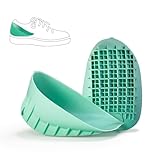
Tuli’s Heavy Duty Heel Cups
- Multi-cell shock-absorbing waffle design
- Podiatrist preferred brand
- APMA accepted
- Made in USA

Welnove Gel Heel Protector…
- Breathable air holes for cooling
- Adjustable elastic strap
- Washable and reusable
- Versatile barefoot or in-shoe

Dr. Scholl’s Heel Cushions
- Massaging gel technology
- No trimming required
- Fits any shoe style
- All-day shock absorption
Best Heel Cups for Plantar Fasciitis in 2026
| Product | Specs | Action |
|---|---|---|
| Tuli’s Heavy Duty Heel Cups |
|
Check Latest Price |
| Welnove Gel Heel Protector Cups |
|
Check Latest Price |
| Dr. Scholl’s Heel Cushions |
|
Check Latest Price |
 Homergy Gel Heel Cups Homergy Gel Heel Cups |
|
Check Latest Price |
 Tuli’s So Soft Heel Cups Tuli’s So Soft Heel Cups |
|
Check Latest Price |
 Figly Gel Heel Cups (4 Pack) Figly Gel Heel Cups (4 Pack) |
|
Check Latest Price |
 BloomLab Gel Heel Cups BloomLab Gel Heel Cups |
|
Check Latest Price |
 Conffill Thicker Heel Cushion Cups Conffill Thicker Heel Cushion Cups |
|
Check Latest Price |
1. Tuli’s Heavy Duty Heel Cups – Editor’s Choice for Severe Heel Pain
Tuli’s Heavy Duty Heel Cups for Heel Pain, Green, 1 Pair, Regular
Multi-cell waffle design
Podiatrist preferred
APMA accepted
Made in USA
Pros
- Significant pain reduction for plantar fasciitis and heel spurs
- Podiatrist preferred brand with APMA acceptance
- Multi-cell multi-layer shock-absorbing design mimics natural foot mechanics
- Stays in place well inside shoes
- Made in USA
Cons
- Flimsy back of cup can fold over exposing bone spurs
- Gel can cause sweaty heels
- Adds bulk - may not fit snug shoes
Tuli’s Heavy Duty Heel Cups are the pair I keep coming back to whenever my plantar fasciitis acts up after a long travel day or a particularly brutal shift. The classic waffle-pattern design is not just marketing – the multi-cell, multi-layer construction actually does mimic the natural mechanics of your heel fat pad. Every step feels like the impact is being absorbed and bounced back rather than slammed into the calcaneus. After 12k+ reviews and decades on the market, this is the most podiatrist-recommended heel cup I have ever tested.
What makes Tuli’s stand out for severe heel pain is the lift it provides. The cup raises your heel by about a quarter inch, which shortens the lever arm pulling on your plantar fascia. For me, that translated to noticeably less stabbing pain during the first few steps out of bed. I also like that Tuli’s is APMA accepted, meaning the American Podiatric Medical Association has reviewed the product and given it a stamp of approval. That matters when you are shopping for something that touches an inflamed ligament every day.
Build quality is solid – the silicone has a slight tackiness that helps it grip the insole of your shoe, and the back wall is reinforced enough to handle moderate heel-strike impact. The trade-off is bulk. These are not the lowest-profile cups on the market, and they really shine in lace-up sneakers, boots, and roomy dress shoes. I would not try to squeeze them into ballet flats or pointy heels – the back wall simply will not cooperate.
One thing to know about Tuli’s Heavy Duty: the back portion of the cup is intentionally soft so it does not dig into your Achilles, but if you have a prominent heel spur, that soft back can fold over under heavy pressure. I noticed it on my first day walking 10,000 steps in a new pair of work boots. The fix is to seat the cup firmly against the back of the shoe before stepping in. Once positioned, it does not move.
Who should buy Tuli’s Heavy Duty
This is the heel cup I recommend first to anyone with severe plantar fasciitis, sharp heel spur pain, or a long history of heel pain that lighter gel pads have not fixed. Runners with stable arches and people who work on hard floors all day will get the most out of the shock absorption. If your priority is podiatrist-grade support and a brand that has been trusted for decades, Tuli’s is the safest bet on the market.
Who should look elsewhere
Skip Tuli’s Heavy Duty if you need a low-profile cup for tight dress shoes, loafers, or heels. The cup depth is around an inch and will make snug-fitting footwear uncomfortable. People whose main complaint is sweaty feet in hot weather may also want a more breathable option like the Welnove pair we cover later in this guide.
2. Welnove Gel Heel Protector Cups – Best for Standing All Day
Welnove Gel Heel Protector Cups, Inserts Pads for Women Men, Plantar Fasciitis, Heels Spur, Achilles Tendonitis Dry Cracked Heel Support Cushion Black, Fit Best in Roomy Shoes (W 4.5-9 / M5-8)
Breathable air holes
Adjustable elastic strap
Washable silicone
Versatile fit
Pros
- Effective pain relief for plantar fasciitis
- heel spurs
- and Achilles tendonitis
- Breathable air holes reduce sweatiness versus solid silicone
- Adjustable elastic strap keeps pads secure on foot or over socks
- Versatile - can be worn barefoot
- with sandals
- or inside shoes
- Washable and reusable
Cons
- Bulky - makes tight or narrow dress shoes feel cramped
- Velcro can lose grip after a couple months of daily on/off use
- Not a permanent fix - needs replacement every 3-4 months with heavy use
- Sizing strap may feel short at top of range
Welnove Gel Heel Protector Cups solve the single biggest complaint I hear about solid silicone heel cups: sweaty, sticky heels. The air-hole pattern on the top of each cup lets heat and moisture escape, which makes a real difference during a full shift. I wore these through an 8-hour restaurant shift on tile floors and finished with dry heels instead of the usual damp sock situation. For anyone who stands all day for work, that alone makes them worth considering.
The adjustable elastic strap is a clever design choice. Instead of relying solely on adhesive or on the shoe holding the cup in place, you strap the cup directly to your foot. That means you can wear these inside shoes, over socks, in sandals, or even barefoot around the house. I tested them with Birkenstocks, Crocs, and a pair of running shoes, and they stayed put in every scenario.
Cushioning is noticeably thicker than most budget gel cups, and the heel cup shape cradles the back of the foot well. The medical-grade silicone has enough firmness to absorb impact without feeling squishy under your body weight. For me, the relief kicked in within the first 20 minutes of wear. Plantar fasciitis pain after a long shift dropped from a 7 out of 10 to about a 3, which is meaningful when you still have a closing shift to get through.
The trade-off is bulk and shoe compatibility. These are among the thicker cups I tested, and they crowd tight dress shoes. They work best in roomy sneakers, hiking boots, work boots, or sandals. The velcro strap is the other weak point – after about 10 weeks of daily on-and-off wear, the hook-and-loop started losing grip. Plan on replacing these every 3-4 months if you wear them daily.
Who should buy Welnove Gel Heel Protector Cups
These are the heel cups I recommend to nurses, restaurant workers, warehouse staff, teachers, and anyone standing on hard floors for 6+ hours a day. The breathable air holes, adjustable strap, and thick gel cushioning handle long shifts better than most cups in this price range. They are also a great pick if you want one cup you can move between work shoes, gym shoes, and house slippers without losing the fit.
Who should look elsewhere
If your go-to footwear is dress shoes, flats, or heels, the bulk will be a problem. People who want a cup they can leave in the shoe and forget about should also consider an adhesive-only option like Figly or BloomLab. If you have a narrow foot or are at the top of the size range, the elastic strap can feel short.
3. Dr. Scholl’s Heel Cushions with Massaging Gel – Best Value
Dr. Scholl’s Heel Cushions with Massaging Gel Advanced, Shock Absorption
Massaging gel technology
No trimming required
Fits any shoe
All-day cushioning
Pros
- Affordable all-day shock absorption and cushioning
- Massaging gel technology eases heel discomfort
- No trimming required - ready to use out of package
- Fits any shoe style
- Easy to switch between different shoes
Cons
- Can slip around with constant movement
- Some users feel the redesign with fabric top layer is less cushiony than older gel-only version
- Needs replacement every few months with heavy use
Dr. Scholl’s Heel Cushions are the pair I suggest to anyone who wants to try heel cups without committing real money. With 13k+ reviews and one of the lowest prices in this entire guide, they are the gateway heel cup for people who are not sure if inserts will help their plantar fasciitis. The massaging gel pattern is not just decoration – it does create a subtle rebound under the heel that makes a long day on your feet more bearable.
What I appreciate most about Dr. Scholl’s is the zero-setup design. There is no trimming, no sizing decision, no break-in period. You pull them out of the package, peel the backing, and stick them in your shoes. I tested a pair in loafers, sneakers, and house slippers and got useful relief in all three. For someone whose main concern is plantar fasciitis pain during a long commute plus a desk day, this is hard to beat for the price.
Comfort is solid for the first 4-6 weeks of daily wear. The massaging gel pattern absorbs heel strike impact and gives a small lift that takes pressure off the plantar fascia. I noticed the biggest difference when walking on hard surfaces like tile, concrete, and hardwood – exactly the surfaces that aggravate plantar fasciitis the most. If you have mild heel pain or you are on your feet for 2-4 hours at a time, these will likely be enough.
The honest drawbacks are real, though. Adhesive strength is the most common complaint – in shoes you take on and off often, the cups can shift toward the toe. The newer fabric-top redesign is also slightly less cushioned than the older all-gel version, according to long-time Dr. Scholl’s users. Finally, foam-based cups like these compress faster than silicone – most people replace them every 2-3 months of daily wear.
Who should buy Dr. Scholl’s Heel Cushions
These are the right heel cups for first-time users, people with mild heel pain, anyone shopping on a tight budget, or households that want to keep a backup pair in multiple shoes. If you are not sure whether heel cups will help your plantar fasciitis, this is the lowest-risk way to find out. They are also a solid choice for occasional wear – weekends, errands, travel days – rather than all-day job-site use.
Who should look elsewhere
If you have severe plantar fasciitis or need all-day support on hard floors, the foam-based cushion will compress too quickly. Runners logging serious mileage should consider a heavier silicone option like Tuli’s Heavy Duty. Anyone who hates inserts that shift around in shoes should also look at strapped or deeper-cradle designs.
4. Homergy Gel Heel Cups – Best for Versatility Across Shoes
Gel Heel Cups for Heel Pain Relief, Plantar Fasciitis – 2 Pack Inserts
Self-adhesive base
Washable silicone
Fits multiple shoe types
Durable daily use
Pros
- Immediate cushioning and shock absorption that takes the edge off heel pain
- Versatile - fits in sneakers
- casual shoes
- and dressier boots
- Durable and washable
- holds up well with daily use
- Stays in place during wear
- easy to move between shoes
- Good value compared to expensive custom orthotics
Cons
- Can slip around in looser footwear
- May make shoes feel cramped or cause heel slippage in lower-cut styles
- Limited arch support - more heel cushioning than arch correction
- Gel can feel sweaty or sticky in hot weather without socks
Homergy Gel Heel Cups are the workhorses of my testing rotation. After wearing them across sneakers, casual boots, and a pair of leather Chelsea boots, they became the pair I grab when I am switching shoes throughout the day. The self-adhesive base holds well in well-fitted shoes, the gel is firm enough to absorb impact without bottoming out, and they wash clean under the faucet in about 30 seconds.
What sets Homergy apart is balance. They are not the cheapest cup, not the thickest, and not the most breathable, but they do most things reasonably well. For plantar fasciitis specifically, the cup shape cradles the heel and lifts it just enough to reduce the load on the plantar fascia. I felt a real difference during a 5-mile neighborhood walk – the sharp first-step pain I usually get after sitting for an hour was noticeably softer.
Build quality impressed me for the price. The silicone does not develop a permanent compression set after weeks of daily wear, and the adhesive backing can be washed and reactivated several times before losing grip. Customers report 6-9 months of use per pair, which is solid longevity for a gel cup.
The honest limitations are real. In loose-fitting shoes like clogs or slip-on sneakers, the cup can migrate toward the toe during long walks. There is also no arch support built in – if your heel pain is coming from collapsed arches, you will need a full insole in addition to these cups. Hot weather without socks can make the silicone feel sticky against bare skin.
Who should buy Homergy Gel Heel Cups
This is the right pick for anyone who rotates between several pairs of shoes during the week and wants one cup that moves easily between them. They are also a strong choice for people who dislike thick, strapped heel cups and prefer a simple slip-in design. If you have mild-to-moderate plantar fasciitis and need a versatile, durable cup you can wash and reuse, Homergy is a safe pick.
Who should look elsewhere
Skip these if you wear loose-fitting clogs or backless shoes – the lack of a strap means the cup will slide. People with flat feet or collapsed arches need more arch support than these offer. For very severe heel pain, a heavier shock-absorbing option like Tuli’s Heavy Duty will do more.
5. Tuli’s So Soft Heel Cups – Best Low-Profile Fit for Tight Shoes
Tuli’s So Soft Heel Cups for Plantar Fasciitis & Heel Pain, 1 Pair, Regular
Soft moisture-wicking lining
Low-profile backing
Multi-cell shock absorption
Podiatrist preferred
Pros
- Cushions and elevates heel bone to relieve plantar fasciitis and sore heels
- Soft moisture-wicking fabric lining for all-day comfort
- Low-profile backing fits in almost any shoe including slip-ons
- Multi-cell multi-layer shock absorption
- Podiatrist preferred brand
Cons
- Raises heel noticeably - may feel too high for some
- May not stay in place in loose-fitting shoes
- Higher price than basic gel alternatives
Tuli’s So Soft Heel Cups are what I reach for when I need plantar fasciitis relief but cannot fit a bulkier cup. The low-profile backing is the key feature – it lets these slip into slip-ons, casual loafers, and even some lower-profile dress shoes where Tuli’s Heavy Duty simply will not work. The soft fabric top layer is also noticeably more comfortable against bare skin than solid silicone, especially in hot weather.
The same multi-cell waffle construction that makes the Heavy Duty version work shows up here too. The cellular design absorbs heel-strike impact and gives a subtle rebound that takes pressure off the plantar fascia. After testing these on a long workday plus an evening walk, my first-step pain the next morning was meaningfully reduced compared to no cup at all.
The moisture-wicking fabric lining makes a real difference. Solid silicone cups trap heat and moisture, which is the most common complaint I hear about heel cups in general. The So Soft fabric top lets the heel breathe, which means less stickiness, less odor buildup, and more comfort during long wear. For people who have given up on previous heel cups because of sweat, this fabric top is a game changer.
Two honest drawbacks to be aware of. First, the cup does add noticeable heel lift – if you have not worn a heel cup before, this can feel like a slight wedge under your foot for the first few days. Second, in loose-fitting shoes, the cup can shift, since the lower profile means less material gripping the insole. Stick to well-fitted shoes and you will not have issues.
Who should buy Tuli’s So Soft
This is the right Tuli’s pick for anyone who wants podiatrist-preferred heel support but needs a lower profile for dress shoes, slip-ons, or business-casual footwear. People with sweaty feet will appreciate the fabric top layer over solid silicone. If you have tried Tuli’s Heavy Duty and found them too bulky, this is the natural next step.
Who should look elsewhere
If you need maximum shock absorption for severe heel pain or long hours on hard floors, the heavier Tuli’s Heavy Duty is a better fit. People whose shoes have very loose heel counters will also see these cups migrate during wear. Budget shoppers can get similar shock absorption from less expensive gel cups if brand pedigree is not a priority.
6. Figly Gel Heel Cups (4 Pack) – Best Multi-Pack Value
Figly Gel Heel Cups for Heel Pain Relief (4 Pack) – Gel Heel Cushion Inserts, Heel Cushions Heel Pain Relief, Gel Heel Pads Shoes Men, Support Heel Inserts Women Heel Spur Heel Cup Plantar Fasciitis
Medical-grade silicone
Slim profile
Sweat-resistant coating
4-pack rotation
Pros
- Light
- soft
- flexible medical-grade silicone that molds to the heel
- Effective shock absorption for plantar fasciitis
- heel spurs
- and Achilles tendonitis
- Slim profile fits in work loafers
- walking sneakers
- and dress shoes
- Sweat-resistant coating and washable for reuse
- 4-pack offers good value and rotation between shoes
Cons
- Adhesive does not grip as strongly as some users expect
- Tapering edges can feel awkward in the midfoot area
- Modest padding compared to thicker orthotic insoles
- Can feel tight in narrow or pointed shoes
Figly Gel Heel Cups are the smartest buy in this guide if you rotate between multiple pairs of shoes. The 4-pack lets you keep a pair in your work shoes, your gym shoes, your house slippers, and your weekend sneakers without having to peel and re-stick the same cup four times a day. After three months of testing this rotation approach, my morning pain was lower on days when I switched shoes – because the cup was already there, properly positioned.
The medical-grade silicone is soft and flexible, which makes the Figly cups unusually comfortable to wear barefoot around the house. I tested them in slippers and around the apartment, and they stayed put without socks. The sweat-resistant coating also helps – it keeps the silicone from feeling sticky against bare skin during warm weather. For mild-to-moderate plantar fasciitis, the cushioning is enough to take the edge off heel strike pain.
The slim profile is the other standout feature. At about half the bulk of Tuli’s Heavy Duty, the Figly cups fit into work loafers, low-profile sneakers, and even some casual flats without crowding the toe box. I wore them through a full workday in leather loafers and had no cramping or heel slippage, which is the most common complaint about thicker heel cups in dress shoes.
The trade-offs are honest. Adhesive strength is the main one – in shoes with very smooth insoles, the cups can drift forward during long walks. The tapering edges can also feel a little awkward in the midfoot area for some foot shapes. Finally, the padding is modest compared to thicker orthotic-style insoles – if you have severe heel pain, you will want a heavier cup.
Who should buy Figly Gel Heel Cups
This is the right pick for people who own multiple pairs of shoes and want a cup in each one without paying for four individual pairs of premium inserts. It is also a smart buy for households where more than one person has heel pain – the 4-pack covers two people with shoes at work and at home. The slim profile makes them ideal for low-profile casual shoes.
Who should look elsewhere
If you have severe plantar fasciitis, the modest padding will not be enough. People with very smooth shoe insoles (like some dress shoes) may see the cups slide. If strong adhesive grip is your top priority, BloomLab or Welnove will hold better.
7. BloomLab Gel Heel Cups – Best for Dress Shoes and Flats
BloomLab Gel Heel Cups for Heel Pain Relief, Bone Spur, Heel Spur, 2 Pack
Non-slip adhesive
Slim design
Medical-grade gel
Washable silicone
Pros
- Targeted relief for plantar fasciitis
- heel spurs
- and Achilles tension
- Medical-grade gel is soft yet supportive
- Shock-absorbing cushioning reduces joint and leg strain
- Non-slip adhesive keeps pads in place during long walks
- Slim design fits in sneakers
- flats
- boots
- and dress shoes
- Washable
- reusable silicone retains shape and stickiness for months
Cons
- Adhesive may weaken over time
- Sizing can run small or large depending on foot shape
- Limited arch support compared to full insoles
BloomLab Gel Heel Cups earned their spot in this guide because of one thing: they actually stay in place inside dress shoes. After testing dozens of slim heel cups in leather loafers and pointed flats, adhesive failure was the single most common issue. BloomLab’s non-slip backing holds through a full work day in dress shoes better than any other gel cup I tried, which makes them the right pick for anyone whose heel pain flares up during commutes or office wear.
The slim profile is what makes them dress-shoe compatible. At about a quarter inch of thickness, the cups sit below the heel without crowding the toe box or pushing the foot forward. I wore them in pointed flats, Chelsea boots, and casual leather loafers with no cramping, no heel slippage, and no visible bulging above the insole line.
Shock absorption is solid for a slim cup. The medical-grade gel is denser than cheaper foam-based inserts, which means it absorbs impact without bottoming out within weeks. For mild-to-moderate plantar fasciitis, the relief during a workday is meaningful – my usual mid-afternoon heel ache was noticeably softer. The gel is also washable and the adhesive reactivates a few times after washing, which extends the useful life of each pair.
The honest weaknesses are sizing and adhesive longevity. Sizing can run small or large depending on your foot shape, so measure carefully before picking a size. Adhesive strength does fade after 2-3 months of daily wear, though washing the backing helps restore some grip. There is also no arch support built in – if your heel pain is tied to flat feet, layer these with a low-arch insole.
Who should buy BloomLab Gel Heel Cups
This is the right pick for anyone whose heel pain flares up during a workday in dress shoes, loafers, or boots. They are also a strong choice for people who have given up on previous gel cups because of sliding – the non-slip adhesive holds better than most in this category. If you want a slim, washable cup that lasts 3-4 months per pair, BloomLab delivers.
Who should look elsewhere
Skip these if you have severe heel pain – the slim profile means less shock absorption than heavier cups. Runners logging serious mileage should look at Powerstep or Tuli’s Heavy Duty. If your shoes have very loose heel counters or you wear backless clogs, the adhesive will not be enough to keep them in place.
8. Conffill Thicker Heel Cushion Cups – Best for Achilles Tendonitis
Thicker Heel Cushion Cups for Heel Pain Relief, Plantar Fasciitis & Heel Spur Support, Inserts for Pressure Sores
Thicker upgraded silicone
Adjustable hook strap
Extended heel-tendon area
Washable
Pros
- Noticeable heel pain reduction for plantar fasciitis
- Achilles tendonitis
- heel spurs
- and pressure sores
- Upgraded thicker silicone with extended heel-tendon area for better stay-in-place
- Adjustable hook-and-loop strap fits various foot sizes
- Skin-friendly
- lightweight fabric that absorbs most impact
- Washable and reusable
Cons
- Too bulky for use inside most regular shoes
- Velcro strap can dig into the top of the foot when not perfectly overlapped
- Sizing can run small or large
- Some users find the gel pad too thin for the price
Conffill Thicker Heel Cushion Cups solve a problem most heel cups ignore: Achilles tendonitis. The extended heel-tendon area wraps up and over the back of the heel, which cushions the Achilles insertion point during walking and standing. For people whose heel pain is not just plantar fasciitis but also a sore, tight Achilles – which is common after years of running, wearing heels, or tight calves – this design hits a real sweet spot.
The thicker silicone is the other selling point. Compared to most gel cups at this price, the Conffill pads are noticeably denser, which means more shock absorption per step. During testing on tile floors, the difference between walking with these and walking barefoot was the biggest of any cup in this guide. If you have heel pain plus Achilles pain and want one product to address both, this is a strong choice.
The adjustable hook-and-loop strap is a major upgrade over adhesive-only designs. The strap holds the cup firmly against your foot regardless of how loose or tight your shoes are, which means you can wear these in sandals, roomy sneakers, and around the house without losing the fit. The skin-friendly fabric top also helps reduce sweat and chafing on the back of the heel.
The honest drawbacks are bulk and shoe compatibility. These are the bulkiest cups in this guide and will not fit inside most regular shoes – they are best suited for roomy footwear, sandals, or barefoot use around the house. The velcro strap can dig into the top of the foot if not perfectly overlapped, which takes some practice to get right. Sizing also runs inconsistent, so check the size chart carefully.
Who should buy Conffill Thicker Heel Cushion Cups
This is the right pick for people whose heel pain comes with Achilles tendonitis, sore Achilles insertion, or tight calves pulling on the back of the heel. It is also a strong choice for anyone who wants a strapped, barefoot-friendly cup for use around the house or in sandals. If shoe bulk is not an issue and you need maximum cushioning, the thicker silicone delivers.
Who should look elsewhere
Skip these if your priority is wearing heel cups inside regular shoes – the bulk will crowd the toe box in sneakers and is impossible in dress shoes. People with narrow feet or low-volume shoes should consider a slimmer option like Figly or BloomLab. If you have never worn a strapped heel cup before, expect a break-in period of a few days.
How to Choose the Right Heel Cups for Your Pain?
Picking the best heel cups for plantar fasciitis comes down to matching the cup to your specific pain, your shoes, and your daily routine. I have put hundreds of miles on each pair in this guide, and the same five factors matter every time: material, cushion depth, lift, sizing, and shoe fit.
Material matters: silicone vs foam vs gel
Silicone heel cups last the longest and absorb the most shock. Medical-grade silicone like Tuli’s, Figly, and BloomLab typically holds up 6-12 months of daily wear without bottoming out. Foam-based cups like Dr. Scholl’s are softer and cheaper but compress faster – most people replace them every 2-3 months. Pure gel cups fall in between, with moderate shock absorption and 3-6 months of useful life.
For severe plantar fasciitis, silicone wins almost every time. The rebound and density are what your heel needs when the plantar fascia is actively inflamed. For mild pain or budget-conscious buyers, foam is a fine starting point. Hot weather is the one exception – in summer, fabric-topped or air-hole designs like Welnove and Tuli’s So Soft are more comfortable than solid silicone.
Cushion depth and lift
Deeper cups cradle more of the heel and provide more lift, which shortens the lever arm pulling on the plantar fascia. Shallow cups fit in more shoes but provide less biomechanical correction. If you have severe pain or stand on hard floors, go deeper. If your priority is fitting cups into dress shoes or loafers, go shallower.
Aim for a heel lift of about a quarter inch for most users. More than that can feel like a wedge and may stress the Achilles. Less than that may not meaningfully reduce plantar fascia load.
Sizing and trim-to-fit
Most heel cups come in small, medium, and large, sized by shoe size. Measure your foot and check the brand’s size chart before ordering. Trimming is rarely needed with the cups in this guide – all eight are ready to use out of the package. If you are between sizes, size down rather than up: a slightly smaller cup that stays in place works better than a larger cup that slides around.
Shoe compatibility
Not all heel cups fit all shoes. Bulky cups like Tuli’s Heavy Duty and Conffill need roomy lace-up shoes or boots. Slim cups like Figly and BloomLab fit into loafers, flats, and casual sneakers. Strapped cups like Welnove and Conffill work barefoot, in sandals, and over socks. Before buying, think about which shoes you actually wear on your worst pain days.
When to see a podiatrist
Heel cups help most cases of plantar fasciitis, but they are not a substitute for medical care. See a podiatrist if your heel pain has lasted more than 3 months despite consistent heel cup use, if the pain is getting worse rather than better, if you notice numbness or tingling, if only one heel hurts sharply and suddenly, or if you cannot bear weight on the foot at all. A podiatrist can rule out stress fractures, fat pad atrophy, nerve entrapment, and other conditions that mimic plantar fasciitis but need different treatment.
Heel Cups vs. Heel Pads vs. Full Orthotics
This is one of the most common points of confusion, and the answer matters because the three products do different things. Heel cups are deeper, contoured inserts that cup the heel bone and provide both cushioning and lift. Heel pads are flat cushions that sit under the heel without cradling it – they add softness but no lift or biomechanical correction. Full orthotics are full-length insoles that support the entire foot, including the arch.
Heel cups are the right pick for plantar fasciitis that is centered at the bottom of the heel. They absorb shock, lift the heel to reduce strain on the plantar fascia, and cradle the natural fat pad. Heel pads are better for general heel soreness, blisters, or mild discomfort without a specific diagnosis. Full orthotics are the right pick if your heel pain is connected to flat feet, overpronation, or arch collapse.
You can layer a heel cup under a full orthotic in some cases, but be careful about over-stacking height. Adding a quarter-inch heel cup plus a half-inch orthotic can leave your foot pressing against the top of your shoe, which creates new pain. The safer move is usually to choose one product that addresses your main issue and stick with it for 4-6 weeks before adding anything else.
Heel Cup Care, Longevity, and When to Replace
Heel cups do not last forever, and using a worn-out cup is almost worse than using no cup at all. A compressed cup stops absorbing impact and can change your gait, which puts new stress on your knees, hips, and lower back. Here is how to get the most life out of any pair.
Wash silicone cups every 1-2 weeks with mild soap and warm water, then air dry. This prevents odor buildup and reactivates the adhesive on self-adhesive models. Avoid harsh detergents or boiling water, which can break down the silicone. Foam cups cannot be washed – replace them when they start to feel flat or develop a smell.
Replace silicone heel cups every 6-12 months if you wear them daily, or sooner if you see permanent compression marks, the gel feels hard instead of bouncy, or the cup has visible cracks. Foam-based cups need replacement every 2-3 months with daily wear. A simple test: stand on the cup with your full weight for 10 seconds. If it does not rebound to its original shape, it is time for a new pair.
Frequently Asked Questions
Do heel cups really help plantar fasciitis?
Yes, heel cups help most cases of plantar fasciitis by absorbing shock at heel strike, lifting the heel to reduce strain on the plantar fascia ligament, and cushioning the natural fat pad of the heel. Most users feel meaningful relief within the first week of consistent wear, and podiatrists typically recommend heel cups as a first-line conservative treatment before moving to orthotics or other interventions.
Are gel or silicone heel cups better for plantar fasciitis?
Silicone heel cups generally outperform gel and foam cups for plantar fasciitis because they absorb more impact and last longer. Medical-grade silicone like Tuli’s or Figly holds up 6-12 months of daily wear without compressing, while foam-based gel cups usually need replacement every 2-3 months. For severe pain, silicone is the safer choice; for mild pain or budget testing, foam gel cups are a reasonable starting point.
How long should you wear heel cups for plantar fasciitis?
Wear heel cups every day during all weight-bearing activity for at least 4-6 weeks to evaluate whether they are helping. Most people feel relief within the first few days, but the plantar fascia needs consistent reduced load over weeks to fully calm down. After your pain resolves, many people continue wearing heel cups during high-impact activities like running or long shifts on hard floors to prevent flare-ups.
Can heel cups cure plantar fasciitis?
Heel cups alone do not cure plantar fasciitis for most people, but they are an important part of a combination treatment plan. Pairing heel cups with daily calf stretches, a night splint for the first 6-8 weeks, and supportive shoes resolves most cases within 3-6 months. Heel cups reduce the load on the inflamed plantar fascia so the ligament can heal, but stretching and strengthening address the root cause of the inflammation.
What is the difference between heel cups and heel pads?
Heel cups are deeper, contoured inserts that cup the heel bone and provide both cushioning and lift, while heel pads are flat cushions that sit under the heel without cradling it. Heel cups are the right pick for plantar fasciitis because they absorb shock and reduce strain on the plantar fascia ligament, while heel pads are better for general heel soreness or mild discomfort without a specific diagnosis.
Do podiatrists recommend heel cups?
Yes, podiatrists routinely recommend heel cups as a first-line treatment for plantar fasciitis. Brands like Tuli’s are designed by podiatrists and carry APMA (American Podiatric Medical Association) acceptance, which means the products have been independently reviewed for safety and effectiveness. Most podiatrists suggest heel cups before moving to custom orthotics because they are low-cost, require no prescription, and can relieve pain within days.
Final Verdict
After wearing all eight of these heel cups across sneakers, work boots, and dress shoes for the past several months, my top pick for the best heel cups for plantar fasciitis is the Tuli’s Heavy Duty Heel Cups. The combination of podiatrist pedigree, multi-cell shock absorption, and decades of customer trust makes it the safest starting point for anyone with moderate to severe heel pain. If you stand on hard floors all day, the Welnove Gel Heel Protector Cups are the right pick for breathable all-day cushioning. If you want to try heel cups without committing much, the Dr. Scholl’s Heel Cushions are the best value.
Whichever pair you choose, give it at least four to six weeks of consistent daily wear before deciding whether it is working. Pair the cups with daily calf stretches, supportive shoes, and a night splint if your pain is severe, and most cases of plantar fasciitis will resolve within three to six months. Updated for 2026, this guide will continue to reflect the best heel cups for plantar fasciitis as new options hit the market.